
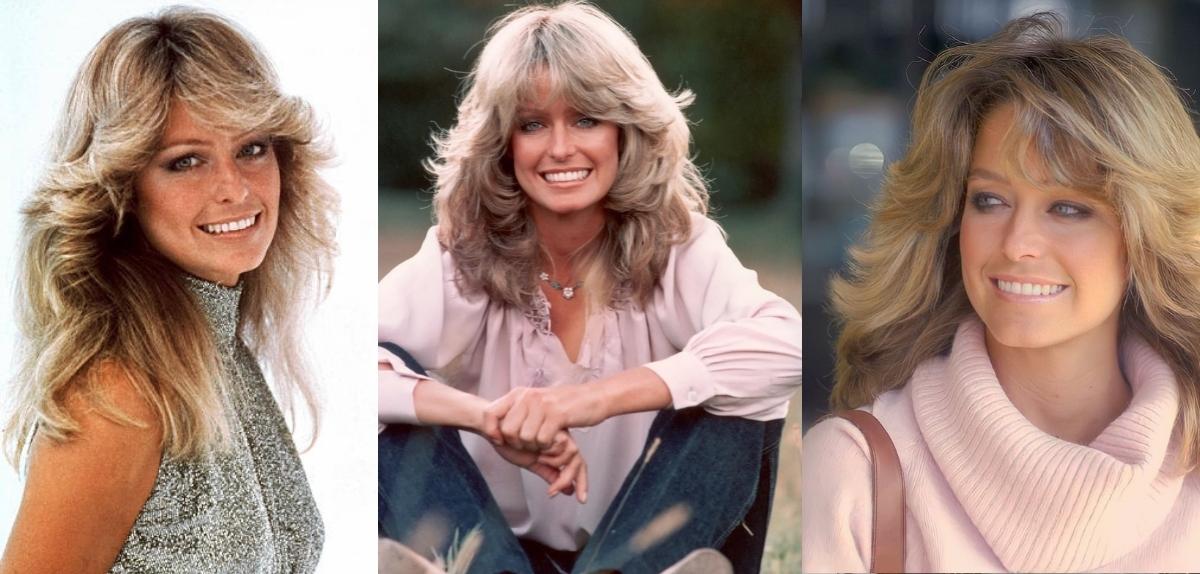
The Farrah Fawcett haircut is one of those rare styles that shaped a whole decade. Farrah began as a model and young actress, but everything changed when she played Jill Munroe in Charlie’s Angels in 1976. Her sunny smile, bright blonde hair, and easy charm turned her into a pop culture icon almost overnight. Then came the famous red swimsuit poster. It sold more than 12 million copies, and her feathered hair became a trend faster than any stylist could keep up with.
The look fit perfectly into the late 1970s. People were moving away from flat, straight styles and leaning into hair with volume, movement, and a free feel. Music, fashion, and the rise of bold women on screen all pushed this shift. Farrah’s haircut captured that mood. It felt soft, strong, and full of life. This guide walks through where the style came from, how it was made, why it blew up worldwide, and how it still inspires new cuts today.
History and Origins
Pre-Fawcett Influences
Before Farrah made the style famous, the ideas behind it were already forming. In the late 1960s, stylist Paul McGregor created the first version of the “shag.” It had layers, texture, and a light, messy bounce. Actress Jane Fonda wore it in Klute in 1971, which helped the cut reach a wider audience. Around the same time, British rock stars and singers like David Bowie and Stevie Nicks made feathered edges and soft flips look cool. People wanted hair that moved, not hair that stayed stiff.
Creation and Debut
In 1976, Farrah posed for a poster shoot with photographer Bruce McBroom. She styled her own hair that day. She used lemon juice for bright highlights and shaped the soft wings herself. Out of forty rolls of film, she picked the photo that would become one of the most sold posters in history. That moment pushed the cut into the spotlight before Charlie’s Angels even aired. Once the show began, her hair became a star on its own. The outward flips and long layers showed up in every episode.
Stylist Controversies
Two well known stylists later claimed they created the look. Allen Edwards said he cut Farrah’s first feathered layers in 1975. José Eber said he designed the style earlier and that Farrah credited him. The truth is unclear. Farrah herself often styled her hair on her own. What is clear is that the haircut grew bigger than the debate. It became a trend because it made people feel bold and bright.
Timeline of the Rise
- 1976: Poster release sends demand through salons worldwide.
- 1977: Farrah wins the People’s Choice Award as her hairstyle becomes a cultural symbol.
- Late 1970s–1980s: The look spreads across TV, film, and global fashion as it evolves into softer and bigger versions.
Deconstructing the Look
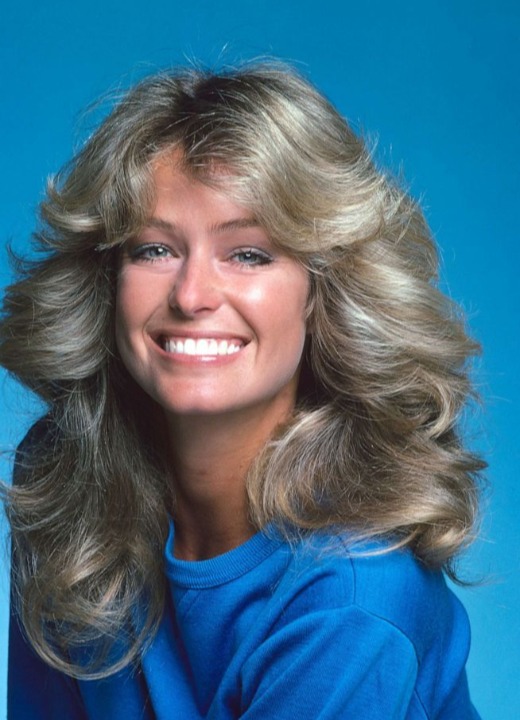
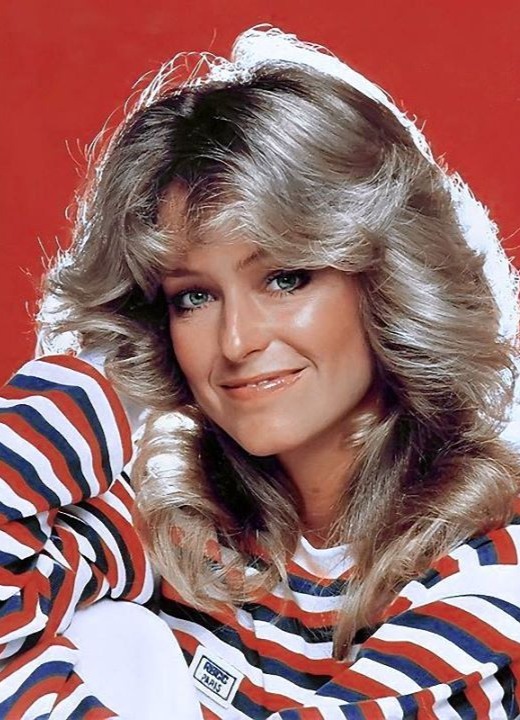
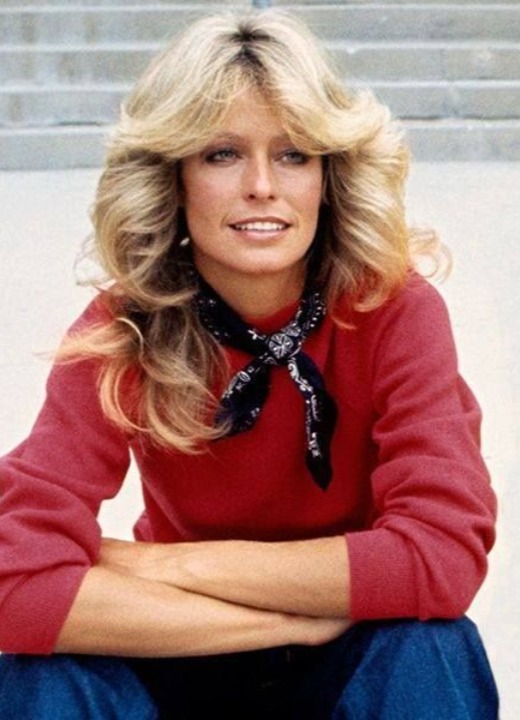
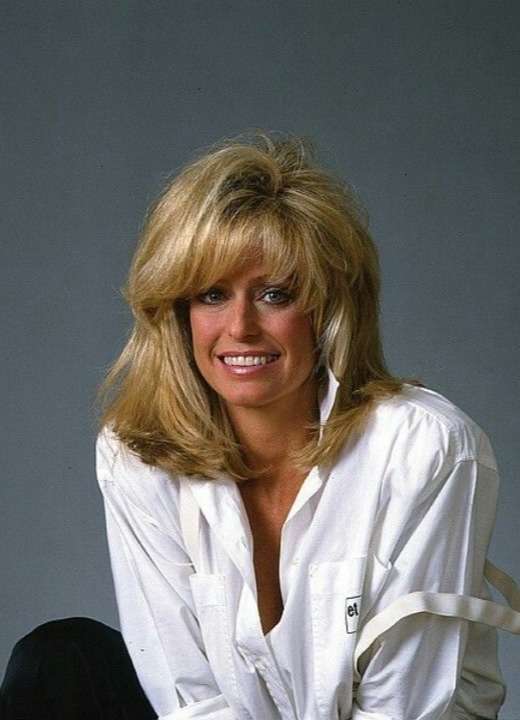
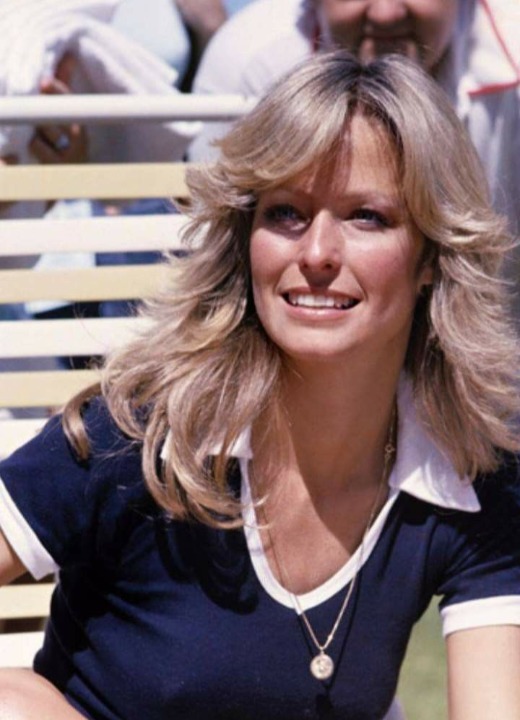
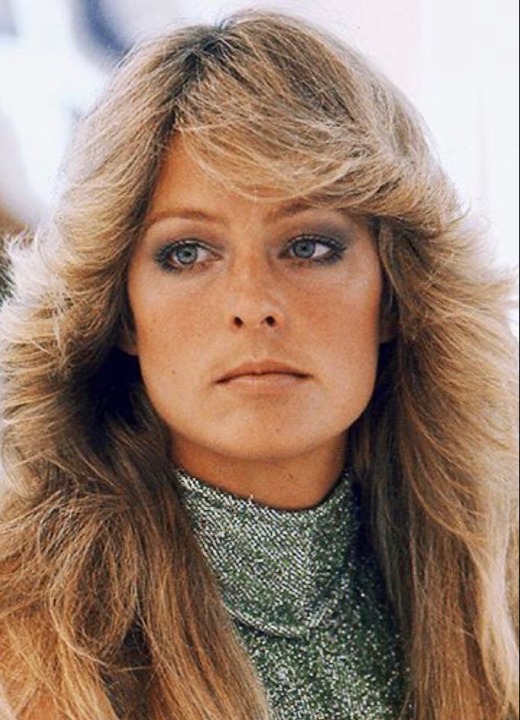
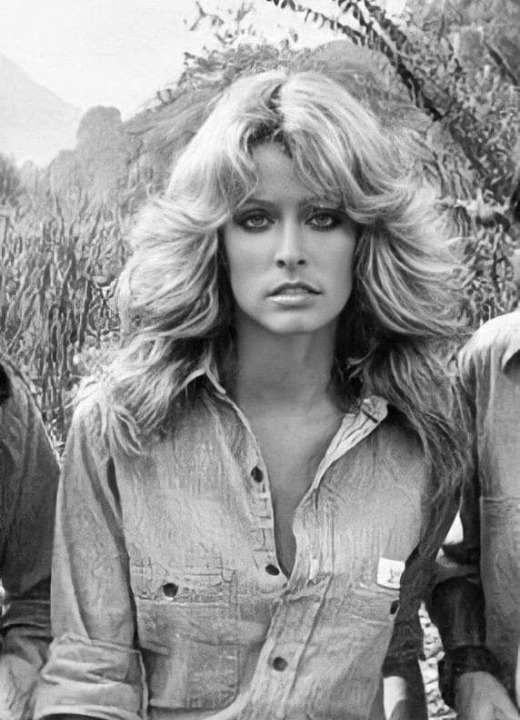
The Farrah Fawcett haircut is all about soft layers, light flips, and easy movement. It starts with a shag base, then adds feathering to give the hair that famous flowy shape.
Core Features
- Long layers that begin high at the crown for extra lift.
- Feathered ends that flip outward like soft wings.
- Face-framing pieces that curl away from the cheeks.
- A shape that feels wide at the top and slimmer toward the ends.
Why It Works
This haircut looks best on thick or wavy hair, because those textures hold the flips without much effort. Farrah’s own wavy hair made the style look full but still soft.
Color and Finish
- Her blonde shade had warm honey tones and bright highlights.
- Many highlights came from simple sun exposure, which made the color look natural and glowing.
- The volume came from lifted roots, round-brush blowouts, and light teasing.
Cutting Technique
- Hair is lifted to 45–90 degrees to build airy layers.
- Point-cutting keeps the edges soft and blended.
- Works easily for medium or thick hair, but fine hair may need more daily styling.
The final look is bright, bouncy, and always moving. It is easy to spot and even easier to love.
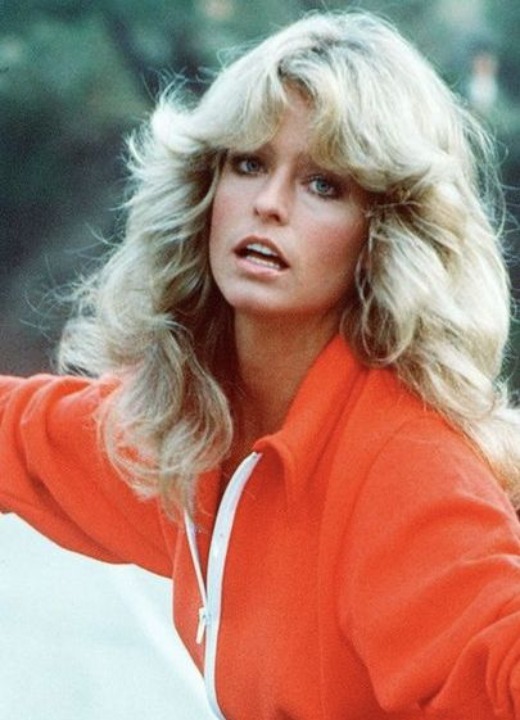
Farrah Fawcett Hair Inspiration Gallery
Cultural and Social Impact
The Farrah Fawcett haircut didn’t just become a trend. It became a movement. From 1976 to the early 1980s, this style shaped how people saw beauty, confidence, and even freedom.
Instant Popularity
When Farrah’s poster came out in 1976, salons were packed. People wanted the same big, feathered layers because the style felt fresh and full of life. It marked a shift away from stiff ’60s hair. Women liked that it looked free, fun, and a bit bold. It matched the growing idea that beauty could be expressive and individual, not perfect and polished.
Pop Culture Everywhere
The look showed up in magazines, TV shows, dolls, wigs, and even Halloween costumes. Charlie’s Angels pushed the haircut into millions of homes. Flip through old covers of Cosmopolitan, and you’ll see how often Farrah’s hair made the headlines. Even men tried versions of the cut, which made it one of the few styles that crossed into almost every age group.
A Symbol of the Era
For many, the haircut became a sign of 1970s freedom. It carried the energy of women stepping into new roles, rocking their own style, and feeling more in control of their image. This haircut wasn’t about perfection. It was about movement and personality.
Not Always Easy
Plenty of people struggled to copy the look. Fine hair often fell flat. Humid weather made the flips droop. Some critics thought it looked too wild for the time. But that didn’t slow its rise.
Long-Term Influence
The style opened the door for the big hair of the 1980s, the messy shags of the 1990s, and modern layered cuts seen today. Many stylists say they learned the basics of layering from recreating the Farrah shape. The haircut didn’t just trend. It changed how haircuts were taught.
How to Recreate the Look
The Farrah Fawcett haircut is timeless, but getting it right needs the right mix of a good cut and simple styling steps. The goal is soft layers, light flips, and lots of natural movement — nothing stiff or heavy.
Start With the Haircut
A stylist begins with a shag-style base. The hair is sectioned into four parts. The guide length usually sits near the chin, then each layer gets a little shorter as it moves toward the crown. This creates the lifted shape that makes the flips stand out. The hair is lifted to 45–90 degrees while cutting so the layers stay airy.
- Works best for medium to thick hair
- Fine hair may need extra texture added
- Wavy hair holds the shape with less effort
Prep Before Styling
Wash the hair with a volumizing shampoo, then use mousse or sea salt spray on damp hair. These products help the hair grip the shape and keep light volume without feeling sticky.
Blow-Dry for Volume
Use a round brush and lift each section from the roots. Turn the brush outward at the ends to get the famous flip. If you already have natural waves, a diffuser can boost them without frizz.
Add Soft Curls
Wrap medium sections around a 1.5-inch curling iron. The goal is loose, bouncy curves — not tight curls. Flip the ends outward or under depending on the version you want.
Lift and Hold
Backcomb the crown gently for height. Use a flexible hairspray to lock in movement. Avoid heavy sprays because they kill the soft, flowy feel. A quick finger-comb breaks up any stiffness and keeps the hair looking relaxed.
Color Tips
Add natural-looking highlights or balayage for dimension. Farrah’s hair always had that sunlit glow, which made the layers look even more airy.
Common Mistakes
- Too much teasing makes the style stiff
- Too-small curls make it look dated
- Not enough layering leads to flat roots and heavy ends
When done right, the look feels bright, bouncy, and full of soft movement — exactly like the style that made Farrah an icon.
Variations and Modern Interpretations
The Farrah Fawcett haircut has changed many times over the decades, but the spirit of the style — soft flips, layered movement, and a bright, lifted shape — always stays the same. Each era gave it its own twist, which makes the look surprisingly easy to modernize.
1970s to 1980s Evolutions
In the late ’70s, the hair had full “wings” that flipped out with drama. By the early ’80s, the style softened a bit. Farrah kept the layers but reduced the height and added a smoother texture in films like Extremities. Some stars made shorter versions, and rock icons like Joan Jett showed darker, edgier takes on the feathered look.
1990s to 2000s Comebacks
The ’90s brought a messier, undone version. Think Meg Ryan—light, bouncy layers without too much blowout. In the 2000s, people wore longer lobs with gentle feathering. The shape was still there, just more subtle.
2010s to Today
The haircut came back again in the 2010s with the rise of the modern shag. Celebrities like Taylor Swift, Alexa Chung, and Margot Robbie wore softer versions with natural waves. Today, social media has pushed the style even further. TikTok and Instagram are full of tutorials showing curly, short, long, and even bold-color versions of the Farrah flip.
Inclusive Updates
- Pixie feathers for fine hair
- Layered extensions for instant length
- Gender-neutral cuts inspired by K-pop and indie fashion
- Color pops like rose gold for a fun twist
Digital Boost
Hashtags like #FarrahHair and #FarrahFawcettEdit hit millions of views. Virtual try-on apps let people test the flip before cutting. These tools keep the style alive for a new generation.
Conclusion
The Farrah Fawcett haircut has stayed famous for a reason. It began with a simple poster shoot, a few feathered layers, and Farrah’s own bright energy. From there, it turned into a worldwide trend. The look mixed softness, volume, and confidence in a way that felt new for its time. It also inspired debates, new techniques, and a whole generation of salon training.
Today, the style still stands out because it feels fresh, playful, and easy to adapt. People wear shorter versions, modern shags, and soft flips that fit today’s trends without losing that classic spark. It carries the same message it always did: hair can be fun, bold, and full of life.
If you want to try something iconic at your next salon visit, a modern feathered layer is a great start. It brings movement, lightness, and a touch of retro charm — the perfect way to channel Farrah’s fearless glamour in a simple, everyday way.
