
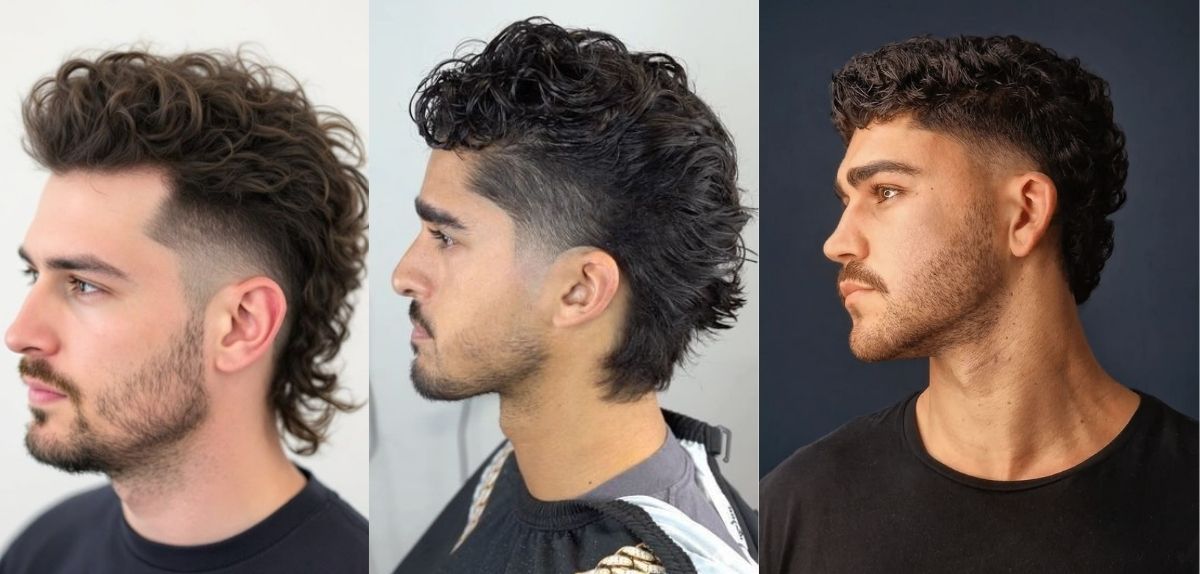
The mullet has officially made its 2025 comeback—but let’s be honest, not every version hits the mark. The secret to pulling it off without looking like you stepped out of a time machine? The fade. A great fade gives your mullet that clean, modern twist that turns heads for all the right reasons. Whether you like it sleek, bold, or somewhere in between, the right fade balances the “business in the front, party in the back” attitude perfectly.
In this guide, we’ll break down the six best fades that complement a mullet, each designed for different face shapes, hair types, and style goals. Think sharp edges, smooth transitions, and enough texture to keep things interesting.
Short Answer: What Fade Suits a Mullet?
The mid fade suits a mullet best because it balances short, clean sides with enough length to blend seamlessly into the back. It adds structure without losing that effortless, edgy flow—but other fades like low, burst, or skin fades can also work depending on your hair type and face shape.
Quick Visual Guide: Best Fades for Mullets
Before diving into the details, here’s a quick visual guide to help you picture how each fade changes the shape and vibe of your mullet. Think of it as your go-to cheat sheet before heading to the barber.
| Fade Type | Look & Shape | Best For | Style Vibe |
|---|---|---|---|
| Mid Fade | Even blend from temple to mid-head | Round or square faces | Balanced and modern |
| Burst Fade | Curved fade around the ear | Oval faces, curly hair | Edgy and artistic |
| Taper Fade | Subtle, low-contrast transition | Straight or fine hair | Clean and professional |
| High Fade | Sharp fade starting high | Diamond or heart faces | Bold and dramatic |
| Low Fade | Gentle fade near ears | Long or narrow faces | Soft and relaxed |
| Skin Fade | Bald-to-skin fade | Thick, straight hair | High-fashion statement |
Pro Tip: Save or screenshot this table before your next barber visit. It helps you explain exactly what you want—no awkward “just trim it like this” moments required.
Fade #1: Mid Fade Mullet – The Balanced Bold
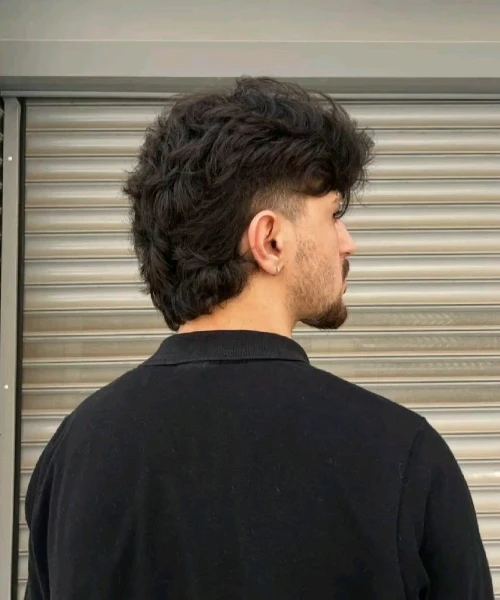
The mid fade mullet sits right in the sweet spot. It starts around the temples and blends down to the midsection of your head, striking a perfect balance between subtle and striking.
This style works because it connects the shorter sides to the longer back seamlessly, giving your mullet a more structured, masculine edge. It’s modern but not over the top—ideal for someone who wants to keep the classic silhouette without losing a polished look.
Styling tip: Work a small amount of pomade into the top for light texture, push the fringe back, and let the back dry naturally for a laid-back finish.
Best for: Round or square faces and straight to wavy hair that benefits from shape without bulk.
Fade #2: Burst Fade Mullet – The Curved Edge
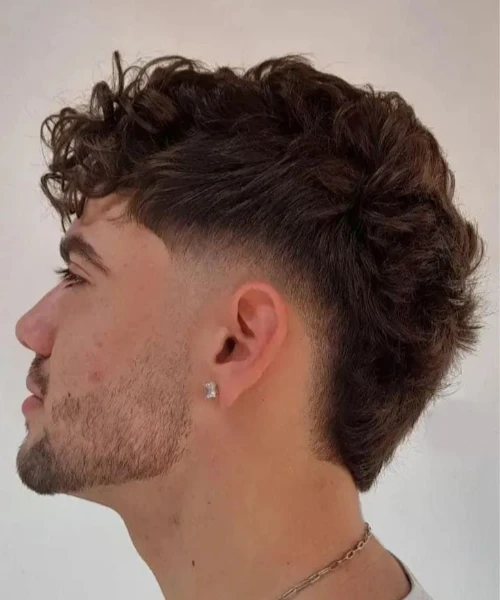
If you want your mullet to stand out without shouting, the burst fade is your move. This fade curves naturally around the ear, creating a “burst” effect that enhances your head shape and adds a clean, sculpted outline. It’s one of 2025’s hottest picks because it brings an artistic twist to an otherwise rebellious haircut.
The curved fade blends beautifully into the mullet’s longer back, giving the whole look a dynamic edge. It’s especially flattering for curly or textured hair since it highlights volume while keeping the sides tight and tidy.
Styling tip: Use sea salt spray on damp hair for a light, grippy hold, then style the top forward with a small lift at the front to accentuate the curve.
Best for: Oval faces and curly or coily hair that needs definition and structure without flattening natural texture.
Fade #3: Taper Fade Mullet – The Subtle Sophisticate
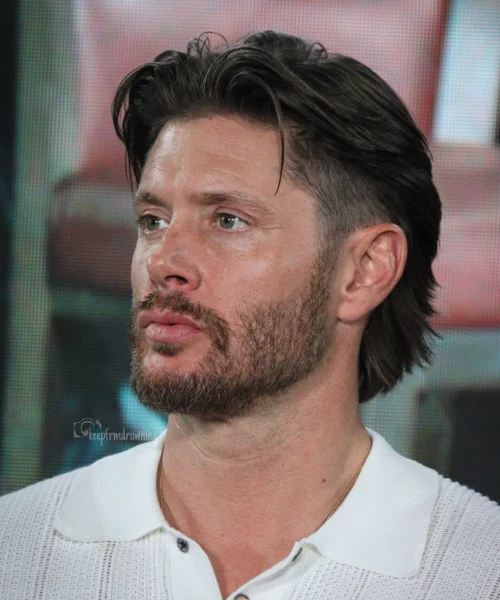
The taper fade mullet is all about balance and refinement. Instead of a sharp skin fade, it gradually shortens the hair down the sides and back—no scalp exposure, just smooth transitions. This makes it the perfect pick for guys who want a modern mullet that still looks professional.
It trims bulk while keeping the focus on the mullet’s signature flow, giving you a style that moves effortlessly from the office to a night out. It’s the cleanest version of the mullet revival, ideal for those who prefer sleek over shocking.
Styling tip: Use a matte clay to create a soft, messy top and comb the sides down each morning to keep the taper’s neat line intact.
Best for: Fine or straight hair and anyone who wants a low-contrast, polished cut that doesn’t demand daily maintenance.
Fade #4: High Fade Mullet – The High-Impact Hero
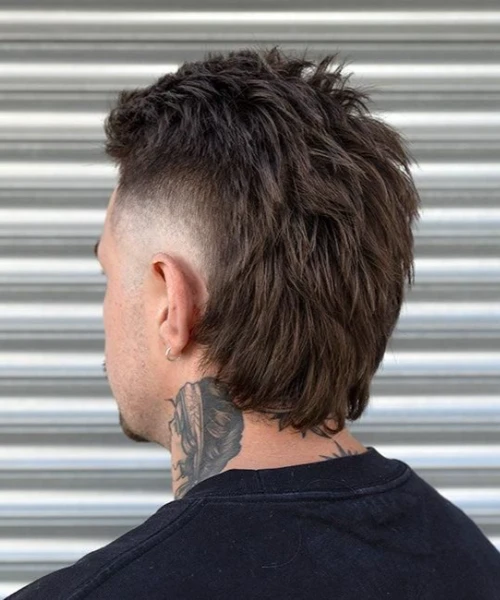
The high fade mullet is not for the faint-hearted—it’s bold, edgy, and impossible to ignore. Starting high above the temples, it drops sharply into a skin-level fade, creating a dramatic contrast that screams confidence. This version has dominated barbershop trends thanks to its clean lines and powerful silhouette.
What makes it work so well with a mullet is the contrast. The exposed sides make the back’s length stand out even more, turning it into a statement feature rather than an afterthought. It’s the cut you choose when you want to look sharp and rebellious at the same time.
Styling tip: Use gel or a strong-hold styling cream to slick the top back and keep everything defined. Touch up the fade every week or two to maintain those crisp edges.
Best for: Angular face shapes like diamond or heart, and thick hair that can hold structure and volume without falling flat.
Fade #5: Low Fade Mullet – The Effortless Everyday
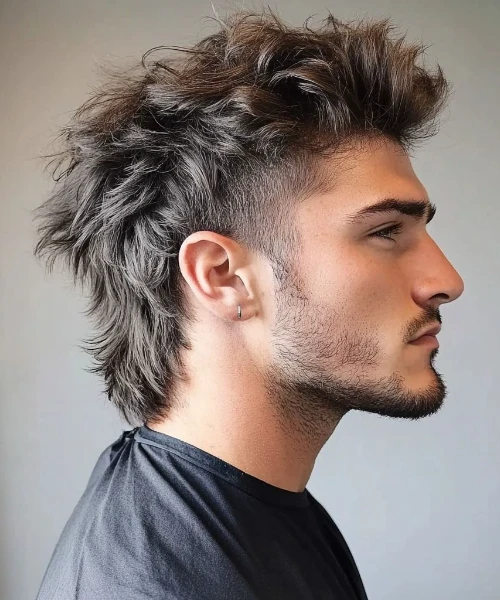
If you like your look relaxed but still refined, the low fade mullet is your best bet. It starts just above the ears and blends gradually upward, giving soft definition without the harsh contrast of a high fade. This subtlety makes it one of the most wearable mullet variations—perfect for guys who prefer a laid-back, low-maintenance vibe.
The low fade keeps the sides neat while allowing the back’s texture and flow to shine. It’s especially flattering if you’re aiming for that “quiet luxury” style—simple, cool, and never overdone.
Styling tip: Work a lightweight mousse or styling cream through damp hair and use your fingers to shape natural waves or slight movement in the back.
Best for: Longer face shapes and wavy or thinning hair, as the fade adds fullness and balance without too much bulk.
Fade #6: Skin Fade Mullet – The Ultra-Sharp Statement
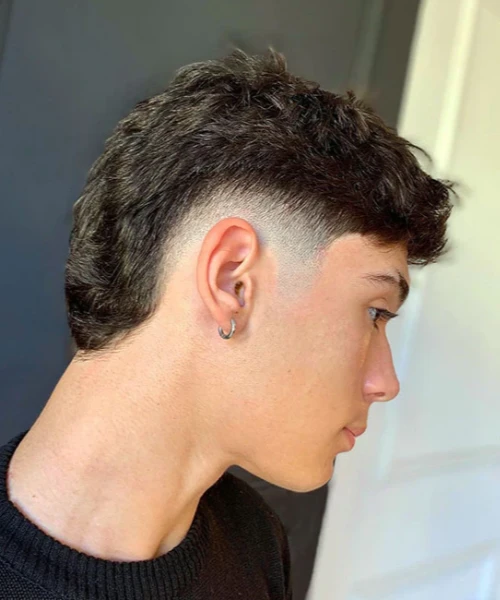
The skin fade mullet is the sharpest, cleanest, and most daring version on the list. It fades completely down to the skin from the temples, leaving zero transition between the shaved area and the longer top. This gives the haircut a futuristic, high-fashion look that’s all over runways and influencer feeds.
What makes it perfect for a mullet is contrast. The crisp, bald sides make the length in the back pop even more, giving that bold “modern rebel” vibe. It’s a precision-heavy style, so finding a skilled barber is key—you want those lines to look laser-cut.
Styling tip: Apply a bit of shine serum to the top for a glossy, polished finish, or go with a wet-look gel if you’re after a more dramatic, editorial edge.
Best for: Athletic builds and straight, dense hair that can hold bold structure and show off the fade’s clean lines.
Pro Tips for Fade + Mullet Mastery
Getting the perfect fade-mullet combo isn’t just about the cut—it’s about how you maintain it. The right technique and products can make the difference between a style that looks fresh and one that falls flat after a week.
1. Bring Visual References:
Barbers love clarity. Always show a few photos of the fade and mullet style you want. Ask for specific clipper guards (for example, #2 for a mid fade) and discuss how your hair naturally grows—this helps them tailor the fade for your head shape.
2. Keep the Sides Tight:
Fades lose sharpness fast, so visit your barber every two to three weeks for quick touch-ups. At home, use a trimmer around the ears and neckline to extend your cut’s life.
3. Care for the Back:
Because the mullet’s length is the star, it needs more love. Deep condition weekly to avoid dryness, especially if you style with heat. A leave-in conditioner or lightweight oil can keep it soft and glossy.
4. Pick Products Wisely:
Use volumizing shampoo for the top, a fade-safe clipper for small trims, and a matte finish product if you like a natural texture. Go glossy only if you’re chasing that edgy, fashion-forward vibe.
5. Add a Twist:
Personalize your mullet. Try subtle highlights, a shadow root fade, or even accessories like thin metal chains woven through the back. These small details add a custom touch that turns a regular haircut into your signature look.
Common Mullet Fade Mistakes to Avoid
Even the best fade can flop if a few details go wrong. Here are the most common pitfalls — and how to dodge them.
1. Going Too High Too Fast
A fade that starts too high can throw off your mullet’s balance, making the back look disconnected or too short. Ask your barber to blend gradually so the transition feels natural, not choppy.
2. Forgetting the Back
The back is what makes a mullet, well, a mullet. Neglecting it turns your look into an uneven mix of short sides and scraggly length. Keep it shaped and conditioned — it should look intentional, not accidental.
3. Overusing Product
Heavy gels and waxes weigh down the top and make the fade line greasy. Use small amounts of matte clay or mousse for movement without stiffness.
4. Skipping Touch-Ups
Fades lose their clean look quickly. A two-week touch-up keeps it fresh, especially if you’re rocking a high or skin fade.
5. Ignoring Face Shape
Not every fade fits every face. Choosing the wrong one can exaggerate features rather than balance them. Use your face shape as your guide — subtle fades for round faces, sharper lines for angular ones.
Pro Tip: A quick five-minute chat with your barber before every trim can save your look. They’ll spot things like growth direction or blending issues that you might miss in the mirror.
How to Ask for a Mullet Fade at the Barber
Walking into the barbershop with confidence starts with knowing exactly what to say. Here’s how to make sure you and your barber are on the same page:
- Bring reference photos. Visuals are everything. Show your barber 2–3 clear photos of the fade and mullet combo you like from different angles.
- Specify your fade height. Use terms like low fade, mid fade, or high fade so your barber knows how much contrast you want.
- Explain your lifestyle. If you prefer low maintenance, ask for a softer fade like a taper or low fade. If you’re into bold styles, go for a skin or burst fade.
- Mention texture and length. Tell your barber how much length you want to keep on top and in the back—this helps maintain that signature mullet flow.
- Talk product and upkeep. Ask for styling tips or product recommendations that suit your hair type (like clay for texture or mousse for waves).
Pro Tip: Don’t be shy about asking questions during the cut—barbers appreciate when clients care about getting it right. A 2-minute chat can save you from weeks of awkward mirror stares.
As TJ Hunt, professional barber featured in GQ UK’s mullet guide, puts it, “The fade makes or breaks a mullet — it’s what separates a style from an ’80s throw-back.” His words nail the point: a well-blended fade is what keeps your mullet modern, not dated.
Conclusion
From the balanced mid fade to the bold skin fade, each of these styles proves one thing — the mullet is anything but outdated. The right fade can transform it from retro throwback to a 2025 statement cut that works for every vibe, from corporate cool to creative chaos.
If you’re new to the mullet game, start with a low or taper fade to test the waters. Once you’re hooked, level up with a high or burst fade for sharper contrast and attitude. Remember, it’s not just a haircut — it’s your identity in motion.
So go ahead, book that appointment, show your barber the look you want, and make the mullet your own. After all, the right fade doesn’t just frame your hair — it defines your edge.
FAQs About Fades and Mullets
1. What fade looks best with a mullet?
A mid fade is the most balanced choice. It blends seamlessly with the longer back while keeping the overall shape clean and modern. If you prefer something bolder, go for a burst or skin fade for extra edge.
2. How often should I get my fade touched up?
Most fades need refreshing every 2 to 3 weeks to maintain sharpness. You can stretch it to 4 weeks if you’re going for a more lived-in, casual look.
3. Can I combine color with a mullet fade?
Absolutely. Adding highlights, a shadow root, or subtle lowlights enhances the dimension and texture of your mullet. Just make sure to use a sulfate-free shampoo to protect color-treated hair.
4. Do fades work on all hair types?
Yes. Whether your hair is straight, wavy, curly, or coily, there’s a fade that suits it. Barbers can adjust the fade height and blending style to complement your texture and face shape.
5. Is a mullet hard to maintain?
Not at all. The key is consistency — trim the sides regularly and deep condition the back weekly. Use lightweight products to keep the natural movement of your hair intact.
6. Can women or non-binary individuals wear mullets with fades?
Of course. The mullet is genderless now. A well-blended fade adds boldness and definition, making it easy to adapt the look to any personal style.
