
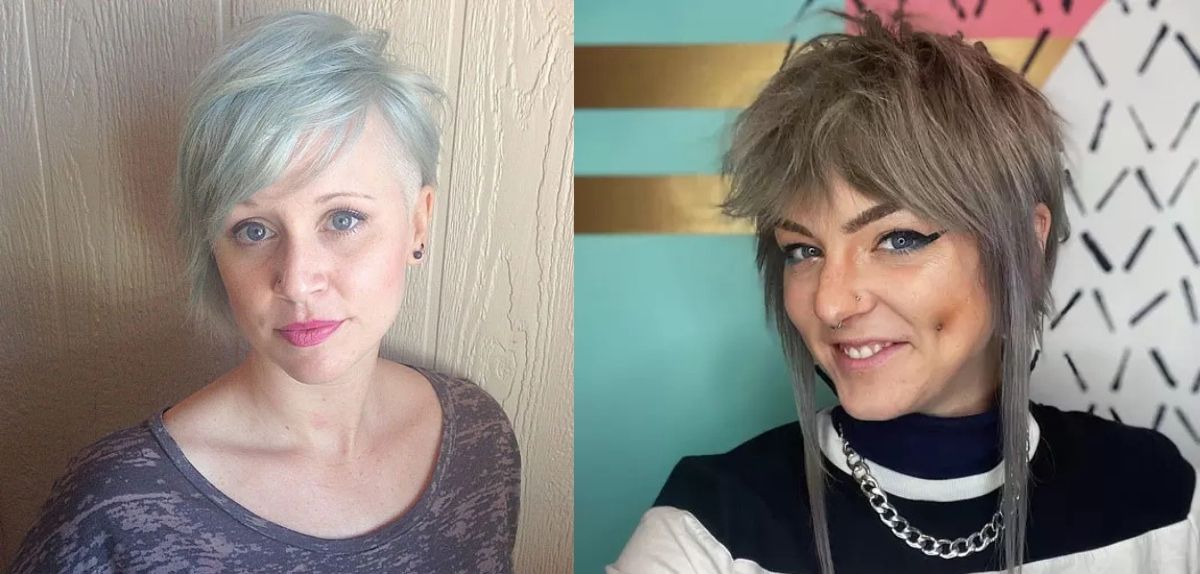
From David Bowie’s glam-rock era to today’s viral TikTok trends, the reverse mullet is flipping the hairstyle world upside down. Instead of “business in the front, party in the back,” this version does the exact opposite — it’s short at the back and long in the front. The result? A bold, face-framing look that’s equal parts edgy and chic.
It’s not just for rock stars anymore. The reverse mullet has found new life among people who love pushing boundaries — from Gen Z creators to gender-fluid style icons. Whether your hair is straight, wavy, or curly, there’s a version of this cut that can work for you. In this guide, you’ll learn where it came from, who made it famous, and how to get the look that suits your vibe.
History and Origins
The Classic Mullet Comes First
Before the reverse mullet made waves, the traditional mullet ruled the 1970s and 80s. Think rockers like Billy Ray Cyrus or Rod Stewart — short in the front, long in the back, and full of personality. It was the ultimate “business in the front, party in the back” statement that defined an entire era of carefree rebellion.
The Birth of the Reverse Mullet
The reverse mullet flipped that idea on its head. Its roots trace back to glam rock and punk scenes of the 1970s and 80s, led by icons like David Bowie and Billy Idol. They experimented with sharp fringes, layered bangs, and slicked-back sides that challenged every traditional beauty norm.
By the 1990s, grunge and alternative stars like Kurt Cobain and River Phoenix gave the style a relaxed, undone feel. Fast forward to the 2020s, and the trend is back — reimagined by modern celebrities like Harry Styles and Billie Eilish, who’ve made it gender-neutral, textured, and camera-ready.
Evolution Timeline
| Era | Key Figures / Influences | Style Notes |
|---|---|---|
| 1970s | David Bowie, Rod Stewart | Subtle fringe with glam-rock flair |
| 1980s | Billy Idol, Adam Ant | Spiky top, bold front bangs |
| 1990s | Kurt Cobain, River Phoenix | Messy, undone texture |
| 2010s–Now | Harry Styles, Billie Eilish | Soft, modern, gender-fluid twist |
The reverse mullet’s modern revival has exploded on social media. On TikTok alone, #ReverseMullet has gathered over 5 million views, proving it’s more than a passing phase — it’s a confident expression of individuality.
Why Choose a Reverse Mullet?

The reverse mullet isn’t just a trend — it’s a statement. It’s for those who love breaking rules and standing out without trying too hard. With its forward-focused layers and short back, this haircut balances creativity with confidence. It works for nearly every face shape and lets your personality shine from every angle.
The Perks
- Versatile for all face shapes: It flatters oval and round faces especially well, thanks to the longer front that frames and elongates the features.
- Low-maintenance style: Even as it grows out, the reverse mullet keeps its shape. A little texturizing spray or dry shampoo is all you need to refresh the look.
- Work-to-weekend friendly: Short sides give it structure for professional settings, while the long front fringe keeps it playful and edgy.
A Few Things to Keep in Mind
Like any daring style, the reverse mullet has its quirks. You might need a short adjustment period while the front fringe settles into place. For those with thick or tightly curled hair, a stylist may suggest layering or thinning to keep the front light and easy to manage.
Who It’s Best For
| Hair Type / Feature | Suitability | Pro Tip |
|---|---|---|
| Straight / Fine | Excellent | Add sea-salt spray for grip and texture. |
| Wavy / Medium | Great | Light layering adds extra volume and flow. |
| Curly / Thick | Good | Keep the front slightly shorter for balance. |
| Face: Oval | Perfect | Go bold with a full fringe. |
| Face: Square | Good | Style with soft waves to frame the jawline. |
The best part? This haircut grows gracefully — no awkward in-between stages. It’s as practical as it is stylish, proving you can be edgy and effortless at the same time.
Step-by-Step Guide: How to Get the Look
You don’t need to be a professional stylist to pull off the reverse mullet. Whether you’re brave enough to DIY or prefer leaving it to the pros, this guide breaks down everything you need to know to get the cut just right.
Option 1: DIY at Home (For Short to Medium Hair)
If your hair is around 2–4 inches long, you can achieve a clean reverse mullet at home with a little patience and a good pair of shears.
Here’s how to do it:
- Section your hair: Divide it into three parts — top, front, and sides. Clip away the front section for now.
- Trim the sides and back: Use clippers on a #3 or #4 guard to keep them short and tidy.
- Cut the top shorter: About an inch works best to keep it neat and balanced.
- Shape the front: Leave 4–6 inches and feather the ends slightly to create that signature forward flow.
- Style it forward: Blow-dry your fringe toward your face, then add texture with a matte pomade or sea-salt spray.
Option 2: Visit a Professional Stylist
For precision and a more polished finish, booking a salon appointment is your best bet — especially if you’re trying the style for the first time.
What to tell your stylist:
- Bring clear reference photos.
- Ask for a short back and sides, longer front fringe, and a layered transition through the crown.
- Mention your hair type and how much daily styling effort you prefer.
Cost and Maintenance:
Expect to pay between $40–$80, depending on your stylist and location. For upkeep, book a quick trim every 4–6 weeks to keep the edges sharp and the front balanced.
Styling Tools and Products
| Product Type | Recommendation | How to Use |
|---|---|---|
| Texturizing Spray | Sea-salt or volumizing spray | Apply on damp hair for natural lift |
| Matte Pomade | Light hold | Work into fringe for structure |
| Blow Dryer + Round Brush | Small barrel | Direct hair forward for volume and curve |
Once styled, your reverse mullet should feel effortless — sharp in the back, striking in the front, and full of movement.
Styling Tips and Variations
A reverse mullet is meant to look bold, but that doesn’t mean it has to be complicated. With the right styling tricks and products, you can easily switch from a laid-back daytime look to a full-on editorial vibe.
Quick Daily Styling Routine (5 Minutes Max)
- Start with damp hair: Towel-dry gently to keep volume in the front.
- Add texture: Use a sea-salt spray or mousse for grip.
- Shape it forward: Blow-dry the front fringe toward your face using your fingers or a round brush.
- Lock it in: Finish with matte pomade or dry shampoo to add hold without stiffness.
| Product Type | Recommendation | How to Use |
|---|---|---|
| Texturizing Spray | Sea-salt or volumizing spray | Mist on damp hair for effortless texture |
| Pomade / Wax | Matte finish, medium hold | Rub a small amount into front layers |
| Dry Shampoo | Lightweight, volumizing | Apply at the roots for lift and freshness |
Trendy Variations to Try
- Classic Punk: Spiky top with blunt front bangs — think Billy Idol energy.
- Modern Soft: Slight waves and faded sides for a wearable, casual vibe.
- Gender-Neutral Cut: Asymmetrical layers and blended edges for an androgynous feel.
- Curly Twist: Defined coils with trimmed sides to highlight the front fringe.
Each version gives a different personality — from rebel-chic to sleek sophistication — without losing the cut’s signature edge. Pair it with a band tee for weekend wear or a blazer for something more refined.
Celebrity Inspiration and Real-Life Examples
The reverse mullet’s rise isn’t just about TikTok trends—it’s been championed by bold celebrities who’ve turned it into a style statement. From musicians to actors, these trailblazers have proven the cut’s versatility across genres, genders, and decades.
Famous Faces Who Nailed the Look
| Celebrity | Era / Style Twist | Why It Works |
|---|---|---|
| Harry Styles | 2020s – Flowing, relaxed | Gives off a soft, romantic edge while staying fashion-forward. |
| Billie Eilish | 2020s – Neon-dyed, choppy | Blends rebellion with individuality, making color part of the statement. |
| Timothée Chalamet | Late 2010s – Tousled fringe | Adds effortless youth and movement without going over the top. |
| Emma Corrin | 2020s – Asymmetrical cut | Balances sharp angles with a gender-neutral aesthetic. |
| David Bowie | 1970s – Fiery glam-rock edge | The original rule-breaker who gave the style its fearless DNA. |
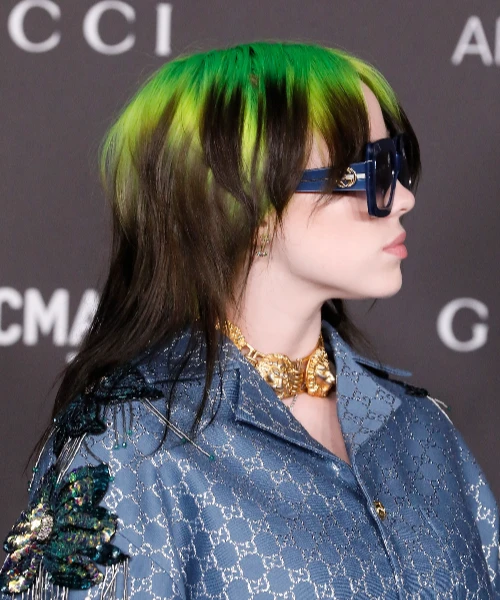
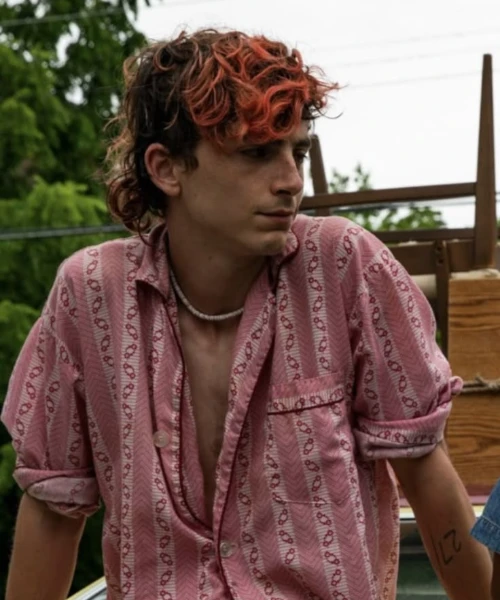
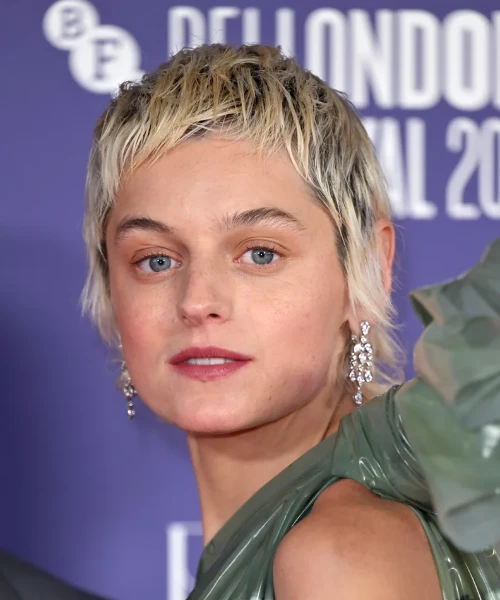

These icons turned the reverse mullet into more than just a haircut—it became part of their signature identity. Their looks show how flexible the cut can be, adapting to red carpets, music videos, and everyday street style alike.
Real-Life Transformations
Many everyday wearers are now embracing the look too. Take Erin, a London-based stylist, who said her reverse mullet “boosted her confidence at job interviews” because it felt bold yet polished. Another fan, Jake from Manchester, shared that “it’s the first haircut that actually fits my personality.” These stories prove the reverse mullet isn’t just about appearance—it’s about self-expression.
The trend’s popularity on TikTok and Instagram also helps people see its versatility in action. Scroll through #ReverseMullet, and you’ll spot endless versions—dyed tips, short sides, curly bangs—all proving that there’s no one way to wear it.
Common Mistakes and Troubleshooting
Even with its edgy charm, the reverse mullet can go wrong if you’re not careful. Luckily, most issues are easy to fix with a few pro tips and a bit of patience.
Top 5 Mistakes to Avoid
- Cutting the front too short: The whole point of a reverse mullet is that longer, face-framing fringe. If you trim it too high, give it two to three weeks to grow out naturally.
- Uneven layering: This happens when you skip sectioning. Use clips to separate areas before cutting, or visit a stylist for a quick blend.
- Over-styling with product: A heavy hand with wax or pomade can make the fringe stiff. Stick to a pea-sized amount—matte texture looks best.
- Ignoring face shape: Straight, blunt lines can overwhelm square faces. Ask for soft, feathered layers instead.
- Letting it overgrow: Without a trim every 4–6 weeks, it can lose definition and balance.
Quick Fixes and Pro Advice
| Problem | Quick Fix | Expert Tip |
|---|---|---|
| Front too short | Let it grow for 2–3 weeks | Use a styling cream to blend the transition |
| Uneven sides | Ask a stylist to reshape layers | Don’t try to “even it out” yourself |
| Flat top | Add texture spray and blow-dry forward | Use fingers instead of a brush for natural lift |
| Greasy fringe | Apply dry shampoo | Wash front section more often than the back |
| Too puffy at crown | Use lightweight mousse | Avoid heavy conditioners at the roots |
FAQ
Q: Does the reverse mullet grow out awkwardly?
Not really. It transitions smoothly into a layered shag, which keeps it stylish between trims.
Q: Can it work for thinning or receding hairlines?
Yes. The forward fringe helps disguise sparse areas, making it a smart choice for anyone noticing hairline changes.
Q: How do I avoid heat damage on the fringe?
Air-dry when possible and always apply a heat protectant before blow-drying.
Conclusion
The reverse mullet isn’t just another fleeting trend—it’s a symbol of self-expression that’s as daring as it is adaptable. Whether you draw inspiration from Bowie’s glam rock rebellion or Billie Eilish’s electric twists, this haircut proves that confidence starts at the crown.
It’s easy to style, grows out beautifully, and works across hair types and face shapes. All it takes is a bit of texture, a solid trim routine, and a fearless attitude. So, if you’re ready to flip tradition on its head, now’s the perfect time to try the reverse mullet.
Book your next salon visit or grab your shears and join the movement—then tag your transformation with #ReverseMullet to show off your fresh, front-focused flair.
