
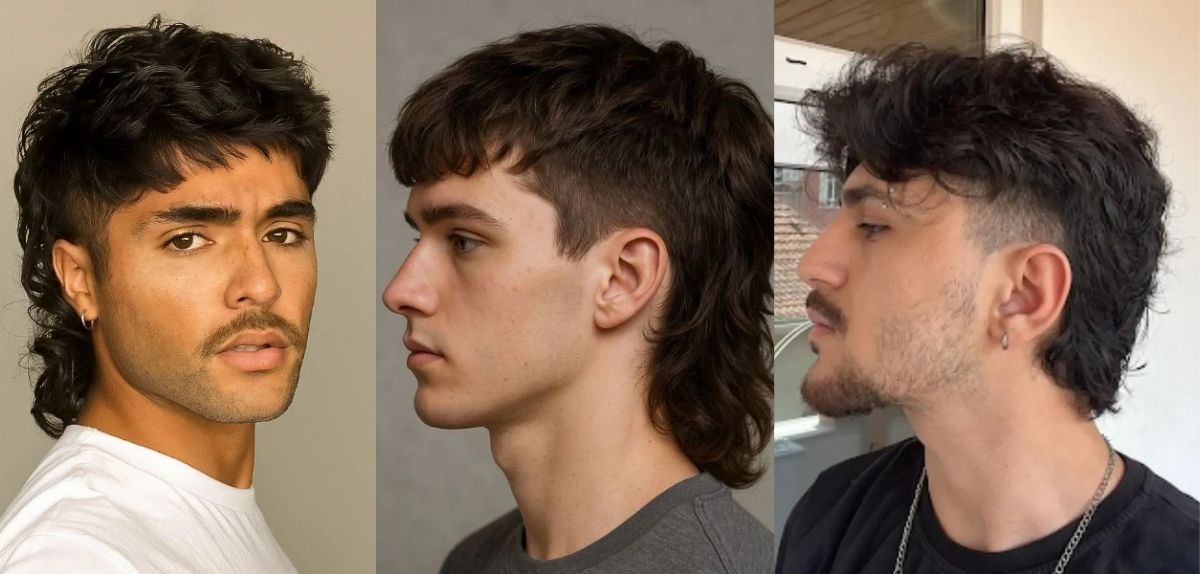
The mullet has made a full comeback in the modern era, but here’s the truth—not every version works for everyone. Almost any hair type can suit a mullet, but the ideal style depends on your natural texture, whether you have straight, wavy, or curly hair. The secret lies in adapting the cut to enhance your hair’s natural movement and density. When shaped correctly, it can add edge to fine hair, control to thick hair, and volume to softer waves or curls.
Before you dive into the trend, it helps to understand how your hair behaves and which variation of the mullet will bring out its best look. That’s what we’ll break down next.
Definition and Characteristics
A mullet hairstyle features shorter hair at the front and sides with longer layers in the back—a style once known for its rebellious vibe but now reimagined for modern tastes. The new mullet focuses on precision and flow, blending clean fades, layered textures, and subtle transitions that make it wearable in everyday life.
It’s flexible enough to match different textures. Straight hair gives a sharp, structured look, wavy hair adds natural movement, and curly hair creates volume and definition in the back. This versatility is why stylists call the mullet one of the most adaptable cuts today—perfect for anyone who wants to stand out while keeping things effortless.
Key Hair Factors for Mullet Suitability
1. Hair Texture
Texture plays the biggest role in how a mullet looks and feels. While it’s true that straight, wavy, and curly hair can all pull it off, each type creates a different effect:
- Straight Hair: This type delivers a sharper, cleaner silhouette. Adding layers or texture spray helps prevent the back from looking flat. A subtle fade on the sides gives structure without losing movement.
- Wavy Hair: Naturally wavy hair makes the mullet look effortless. The waves add flow and volume, especially toward the back, so you can keep styling minimal—just a bit of sea salt spray or mousse to define the texture.
- Curly or Coily Hair: This texture brings volume and attitude. The shorter sides balance the fullness, while the longer back showcases the curls’ natural shape. For best results, use curl cream or leave-in conditioner to maintain definition.
2. Hair Density
Density affects how the mullet sits and how well it keeps its shape.
- Fine or Thin Hair: Stick to shorter lengths at the back to avoid limpness. Faded or layered versions work better than long, heavy ones. Volumizing mousse or blow-drying with a round brush can help.
- Medium Density: This is the sweet spot for most mullets. Your hair naturally holds volume without being too heavy, allowing you to try nearly any variation.
- Thick Hair: You’ve got the best base for bold, layered mullets. The natural fullness gives movement and texture without much product—just regular trims to prevent bulkiness.
3. Hair Length Potential
A mullet thrives on consistent growth. If your hair grows evenly, you’ll get a smooth transition from the short top to the longer back. Those with slower growth at the nape can opt for a layered or shag-inspired mullet that gives the illusion of length.
Additional Considerations Beyond Hair Type
1. Face Shape Compatibility
Your face shape plays a big role in how flattering your mullet looks.
- Oval Faces: Lucky you—almost every mullet variation works. Try a layered or faded version to highlight your balanced proportions.
- Square Faces: The goal is to soften strong jawlines. A mullet with more length at the back and soft layering around the crown works best.
- Round Faces: Add height on top or go for a burst fade to elongate your face. Avoid bulky sides that can widen your appearance.
- Heart-Shaped Faces: Keep the top shorter and the back slightly longer for balance, so it doesn’t narrow your chin further.
2. Lifestyle and Maintenance
Mullets range from low to moderate upkeep depending on the style. If you’re often on the move or prefer low-maintenance grooming, a textured or faded mullet is ideal—it air-dries beautifully and doesn’t need much styling. Those working in more formal environments may prefer a modern mullet with subtle transitions that look polished yet edgy.
Regular trims every 4–6 weeks help maintain its shape, and lightweight styling products like pomades or sprays can keep it looking neat without stiffness.
3. Customization Options
The best part about the mullet revival is how easily it can be tailored. Want something soft and wearable? Go for a shag-inspired mullet. Prefer bold contrast? Choose a skin fade mullet. For something effortlessly cool, try the curly or wavy mullet that celebrates natural movement.
Each cut can be adjusted for your hair type, density, and lifestyle, meaning there’s no single “right” version—just the one that fits you.
Mullet Suitability Guide by Hair Type
| Hair Type | Why It Works | Best Mullet Style | Styling Tip |
|---|---|---|---|
| Straight Hair | Gives a clean, structured finish that highlights the contrast between top and back. | Faded or layered mullet | Use volumizing mousse or pomade for lift and shape. |
| Wavy Hair | Naturally adds movement and texture for a relaxed, effortless vibe. | Shag-inspired or tousled mullet | Apply sea salt spray to enhance natural waves. |
| Curly Hair | Offers fullness and definition that makes the mullet bold and dynamic. | Curly or coily mullet | Use curl cream or leave-in conditioner to keep curls soft and defined. |
| Fine Hair | Light layers and fades prevent the look from falling flat. | Short faded mullet | Blow-dry with mousse to add volume and density. |
| Thick Hair | Holds volume and shape effortlessly, ideal for dramatic lengths. | Long layered mullet | Regular trims keep the shape clean and prevent bulk. |
Styling and Maintenance Tips
1. Products for Different Hair Types
Using the right styling products keeps your mullet looking intentional, not accidental.
- Straight Hair: Add lift and separation with a volumizing mousse or light pomade. Blow-dry the crown for texture and shape.
- Wavy Hair: Keep the natural movement by using sea salt spray or a light curl enhancer. These products define waves without making them stiff.
- Curly or Coily Hair: Moisture is key. Use curl cream or leave-in conditioner to keep curls soft and frizz-free while showing off their definition.
2. Professional Guidance
If you’re considering a mullet for the first time, visit a barber or stylist who understands modern variations. They’ll assess your texture, face shape, and lifestyle before customizing the cut. Bringing a few reference photos helps you and your stylist find the perfect match.
3. Avoid Common Pitfalls
A mullet can go wrong if the proportions are off. Avoid letting fine hair grow too long in the back—it can look stringy. On the other hand, those with thick hair should steer clear of overly short sides that make the top look heavy. Focus on balance: enough length in the back to show contrast, but not so much that it overwhelms your overall look.
FAQ
1. Can anyone pull off a mullet?
Yes! Almost any hair type can suit a mullet—straight, wavy, or curly. The key is customizing the cut to your texture, face shape, and lifestyle. A skilled stylist can adjust the length and layers to make it flattering for you.
2. Does a mullet need a lot of maintenance?
Not necessarily. Modern mullets are fairly low-maintenance, especially textured or faded versions. Regular trims every 4–6 weeks and light styling products are usually enough to keep it fresh.
3. What face shape looks best with a mullet?
Oval and square faces tend to suit mullets naturally, but with the right balance, round and heart-shaped faces can rock them too. Adding volume on top or keeping the sides shorter helps create flattering proportions.
4. Can I get a mullet with thin or fine hair?
Yes—but go for shorter layers in the back and use volumizing products to prevent limpness. A faded mullet or one with added texture works best for fine hair.
5. How long does it take to grow a mullet?
It depends on your hair growth rate, but you’ll typically need 6–8 months to achieve the full look. In the meantime, your stylist can shape it into a wearable transition cut so it still looks intentional while growing out.
Conclusion
The beauty of the mullet lies in its versatility. Whether your hair is straight, wavy, or curly, there’s a version that can bring out your best features and express your personality. With the right cut, texture balance, and styling routine, a mullet becomes more than a throwback—it’s a confident, modern look that works for everyday life.
If you’re still unsure, start small. Try a subtle layered or faded mullet before committing to a full transformation. The goal isn’t to copy the past but to adapt the style to fit who you are now. So, talk to your stylist, play with texture, and see how the mullet can redefine your look—because when done right, it’s business and party in perfect harmony.
