
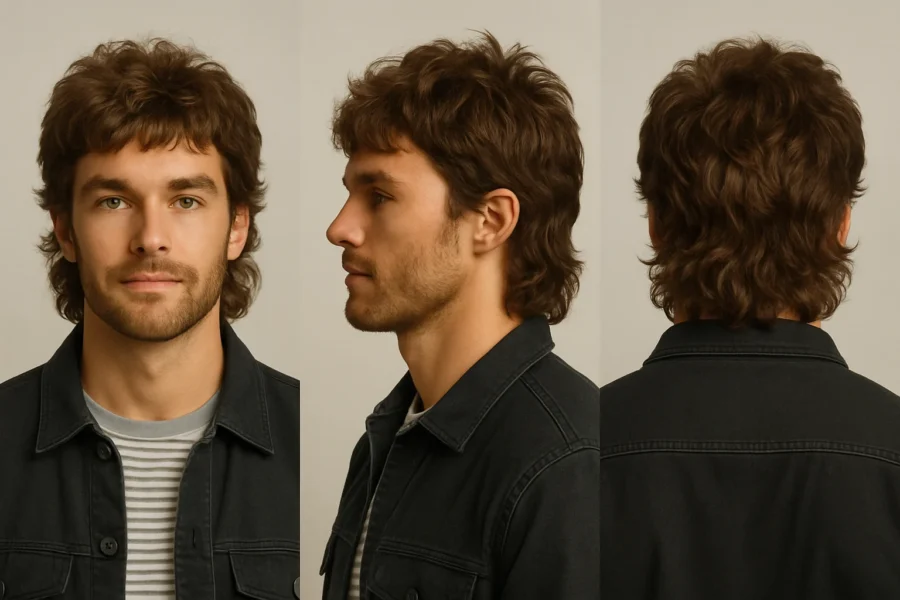
What if the haircut that scared you in the 80s is now the most requested style in salons everywhere? The fluffy mullet has taken over 2026, and it looks nothing like the stiff, dated version you remember. Today’s fluffy mullet ideas blend soft volume, layered movement, and a relaxed silhouette that works for nearly every hair type.
This guide gives you 12 distinct fluffy mullet styles, the exact words to tell your stylist, and a styling routine to keep the volume alive at home. Bring these to your next appointment and leave with a cut that turns heads for the right reasons.
The 12 Fluffy Mullet Styles
1. Curly Shag-Mullet
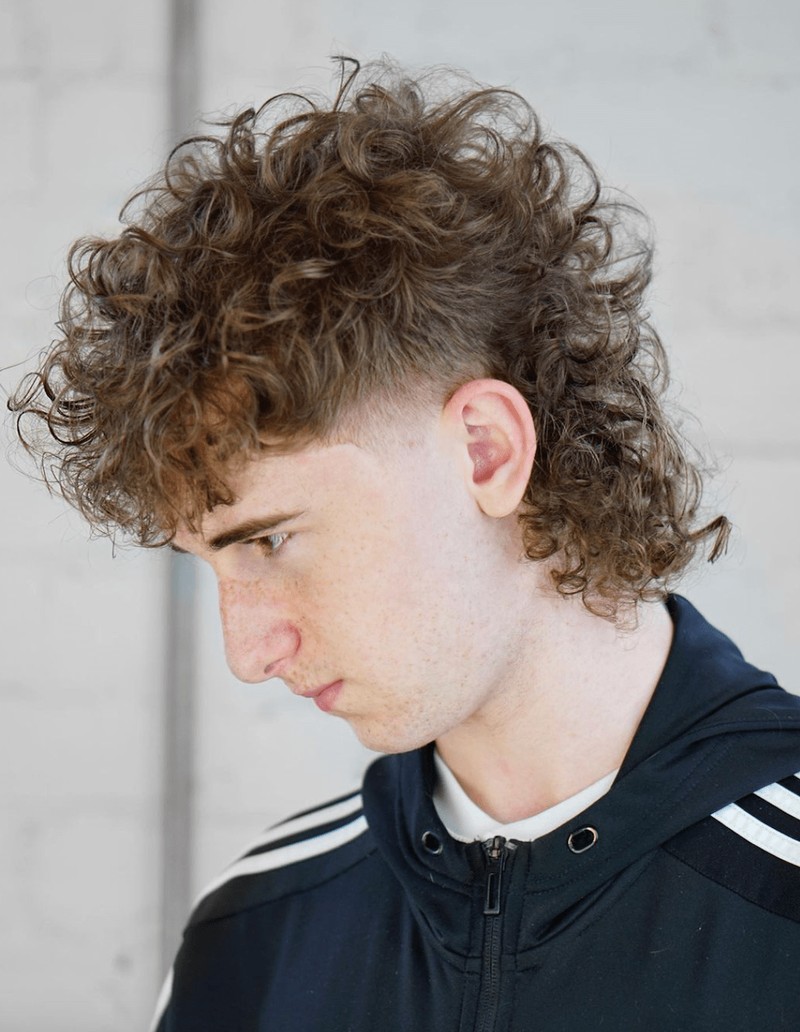
This style merges defined curls on top with a longer, tapered back. The natural curl pattern creates built-in volume that makes the fluffy effect effortless. Layers enhance curl formation rather than fight it.
Best for: Oval and square faces with curly or coily hair textures.
What to tell your stylist: Ask for layered curls starting at the crown with gradual length toward the nape. Request that the back falls between three to five inches past the collar. Avoid thinning shears, since they break up curl clumps and cause frizz.
2. Subtle Wavy Fluff
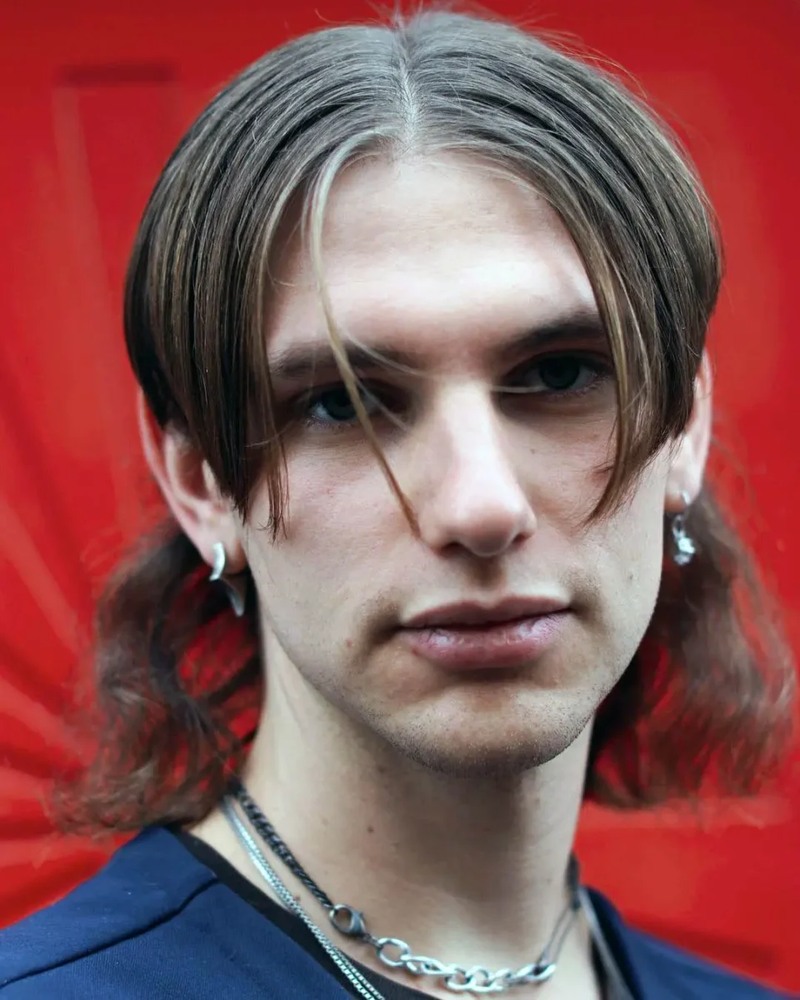
A low-commitment version that keeps the sides clean while adding soft, piecey waves through the top and back. The contrast between neat sides and textured length creates dimension without going full rockstar.
Best for: Round and heart-shaped faces with wavy or medium-density hair.
What to tell your stylist: Ask for a soft taper on the sides and point-cut layers through the crown for lift. Keep the back length between two and four inches. Request razor-cut ends to keep the perimeter light and wispy.
3. Two-Tone Punk Mullet
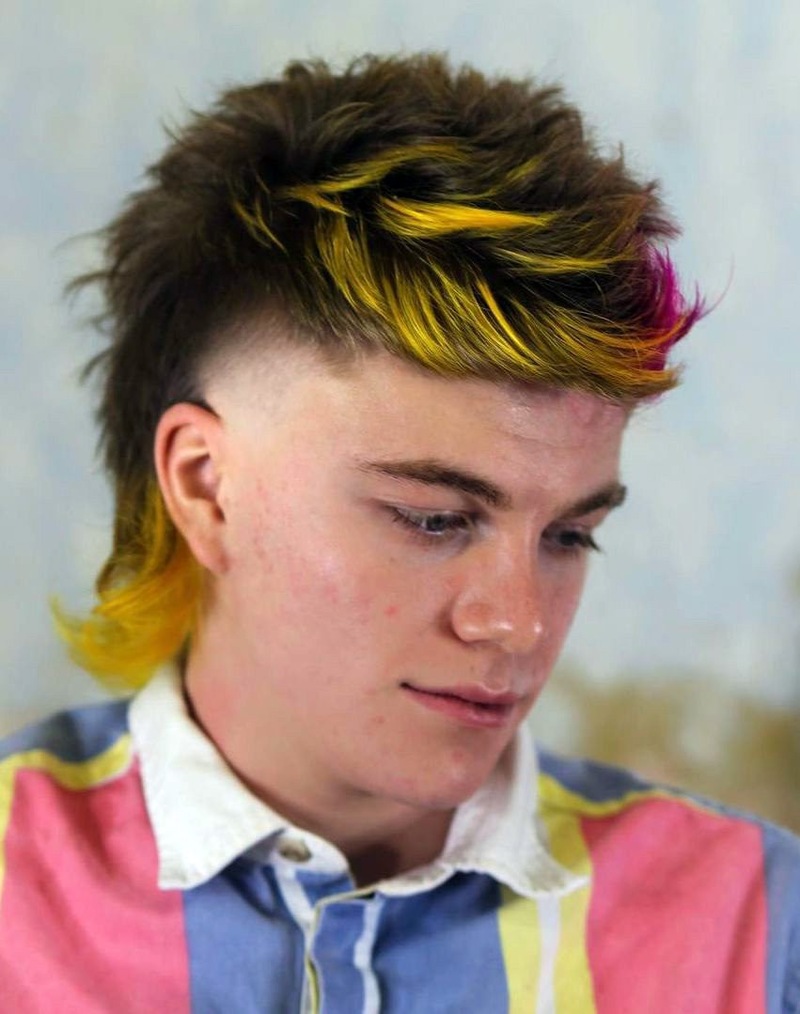
Bold color meets bold shape. A bleached or vivid top fades into a darker back, creating a striking visual split. The fluffy texture softens the punk edge so it feels intentional.
Best for: Oval and diamond faces with thick, straight, or wavy hair.
What to tell your stylist: Ask for a disconnected top section with heavy point-cutting for maximum lift. The back should be razor-cut to remove bulk. Discuss a two-tone color map, lighter on top fading darker toward the nape.
4. Soft Shag-Mullet Hybrid
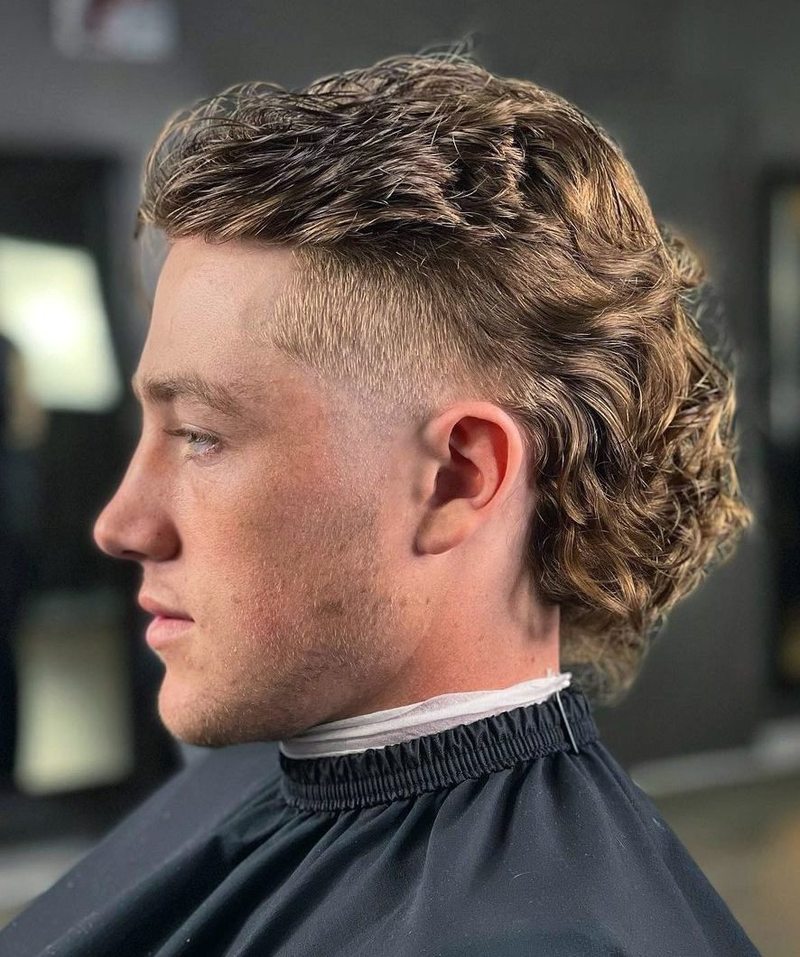
Part shag, part mullet, all volume. Heavy layering around the face creates curtain-like framing. The back maintains mullet length with a softer, feathered finish that removes the harsh line.
Best for: Oval and oblong faces with fine to medium hair density.
What to tell your stylist: Request a shag-inspired layering pattern starting at cheekbone level. Ask for face-framing pieces cut with a razor for softness. The back should blend into the layers above without a visible shelf.
5. Textured Fringe Mullet
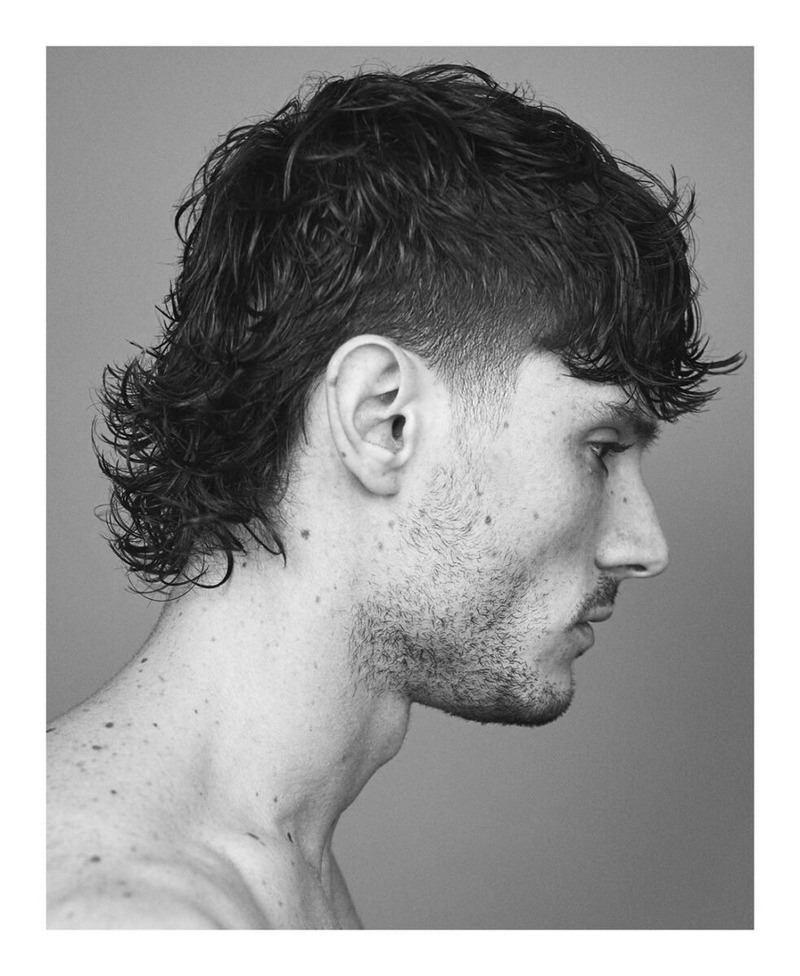
A choppy, textured fringe pairs with a voluminous crown and a longer back. The fringe adds structure up front while the fluffy layers behind create depth and movement.
Best for: Square and rectangle faces with straight or wavy hair.
What to tell your stylist: Ask for a textured fringe hitting just above the brow. Heavy point-cutting on the crown builds lift. Keep the sides natural with a mid-taper. The back should be soft and layered, not blocky.
6. Messy Fluffy Mullet with Curtain Bangs
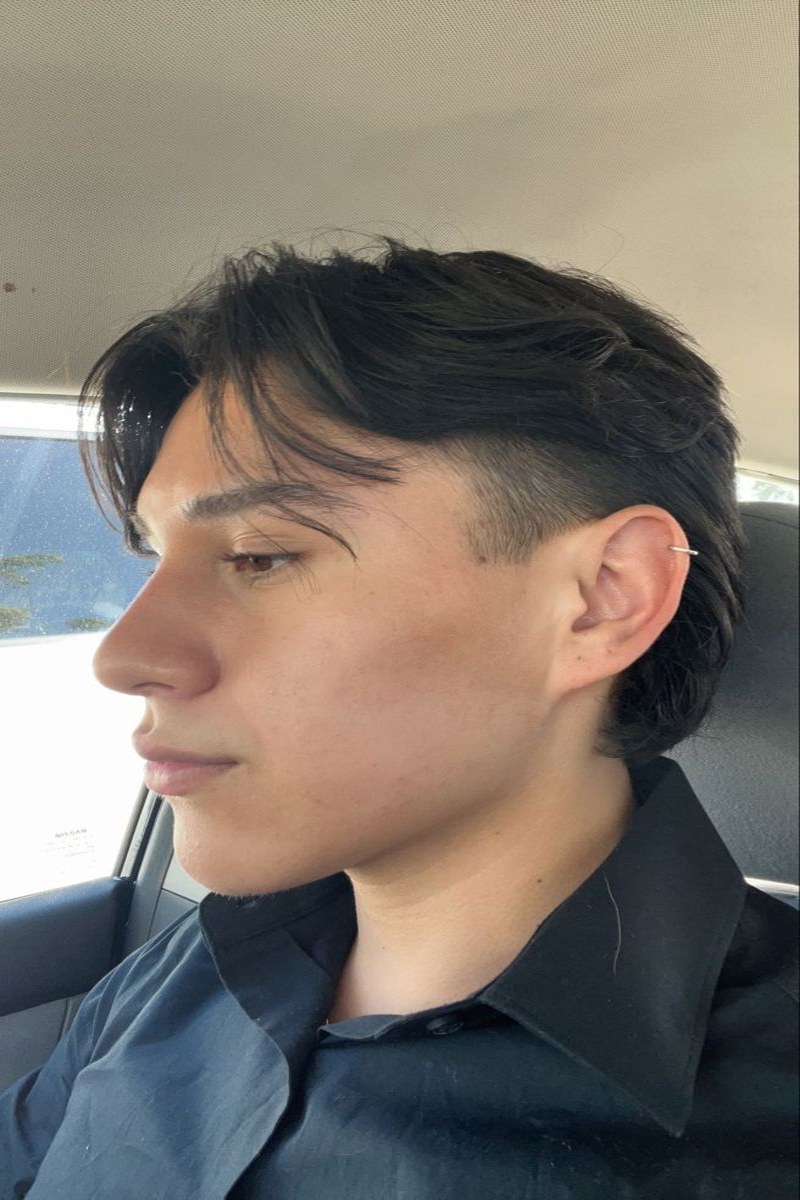
Curtain bangs split the difference between a middle part and full fringe. Combined with voluminous layers throughout, this style channels a lived-in vibe that requires minimal daily effort.
Best for: Round and oval faces with wavy or thick hair.
What to tell your stylist: Ask for curtain bangs starting at the cheekbones with a center split. Request layered volume through the crown using point-cutting. The back should fall four to six inches past the nape with thinned ends.
7. Taper Fade Fluffy Mullet
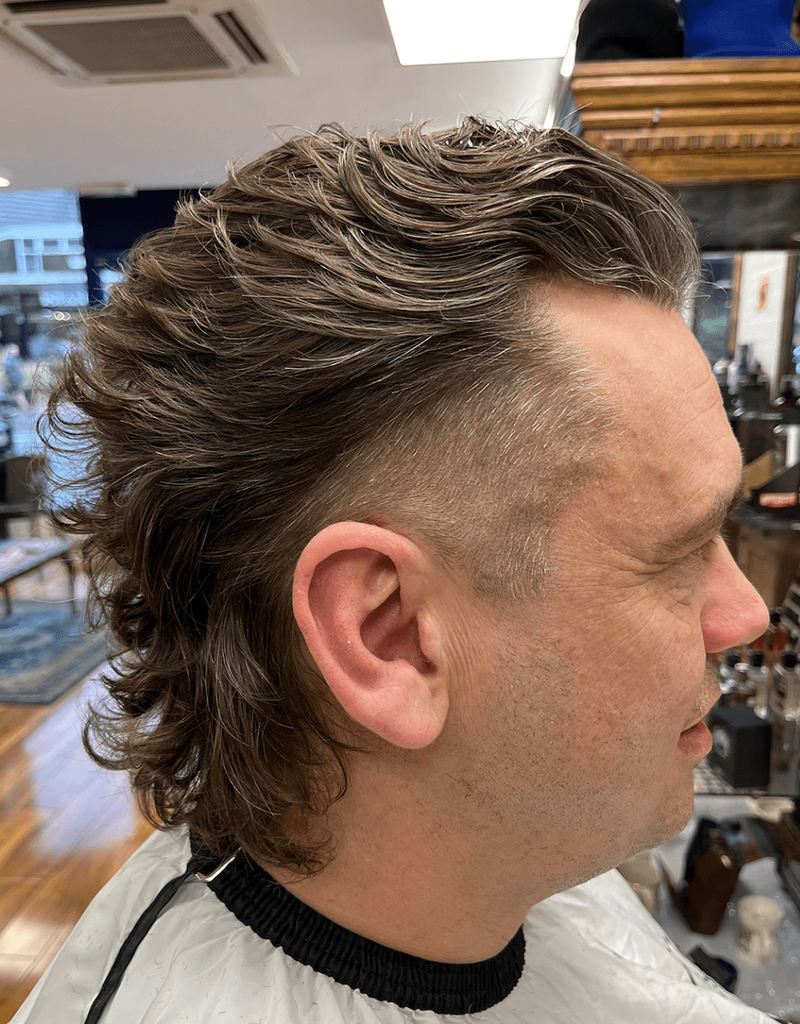
Clean fade on the sides transitions into fluffy, textured length on top and back. The contrast between tight fade and soft volume creates a modern look that feels polished but never stiff.
Best for: Oval and square faces with straight, thick, or wavy hair.
What to tell your stylist: Request a mid-taper fade on the sides and back up to the occipital bone. The top should have layered texture with point-cutting for lift. Ask for a seamless blend where the fade meets the longer sections.
8. Wolf Cut Mullet
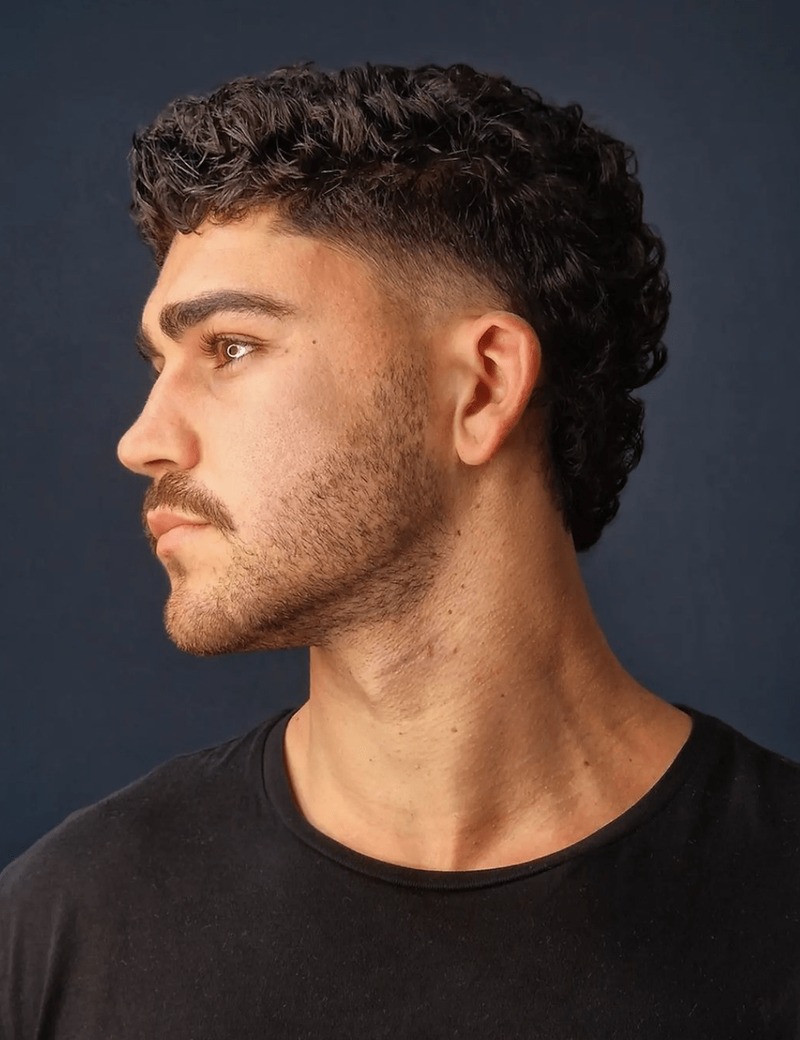
The wolf cut sits at the intersection of shag and mullet. Choppy, face-framing layers cascade into longer back sections. The effect is wild, voluminous, and full of texture. This gender-neutral cut has become one of the most searched styles of 2026.
Best for: Oval, heart, and diamond faces with wavy or curly hair.
What to tell your stylist: Ask for a wolf cut with choppy layers concentrated around the face and crown. The back should maintain mullet length with feathered ends. Request diagonal sectioning on the sides to control weight distribution toward the back.
9. Short Fluffy Mullet
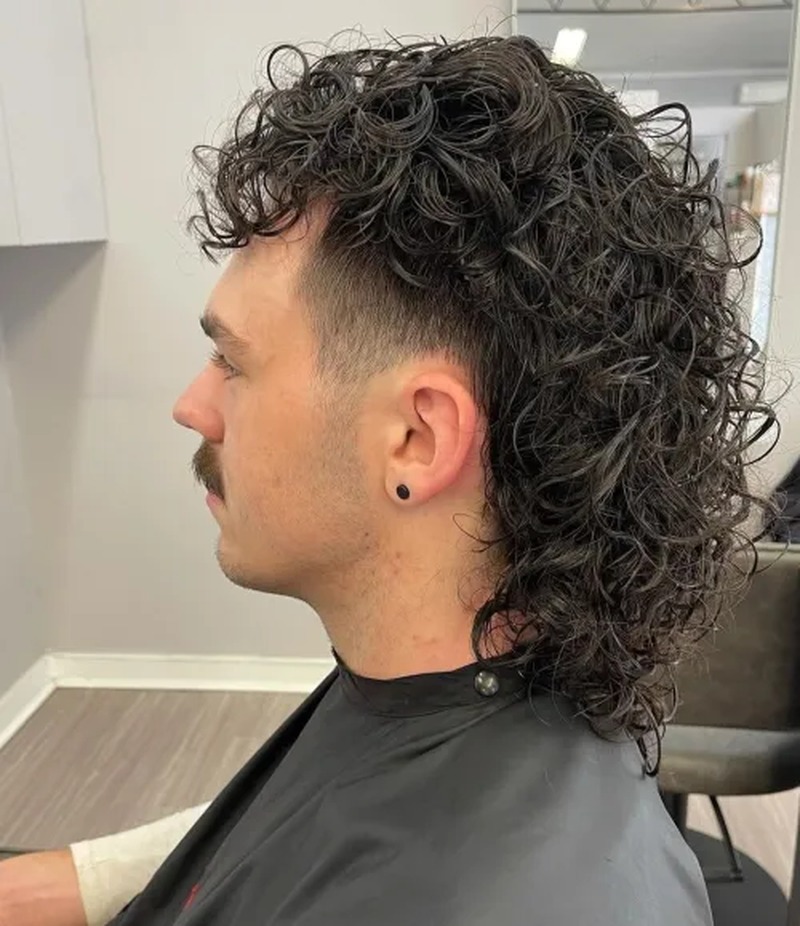
Not ready for long back panels? This condensed version keeps the layered shape but trims the length. The back stays at two to three inches while the crown still gets signature volume.
Best for: Round and square faces with fine or straight hair.
What to tell your stylist: Ask for a short mullet silhouette with the back no longer than three inches. Soft point-cutting on the crown adds lift. Keep the sides neat with a low taper. The overall shape should be compact but textured.
10. Bleached Fluffy Mullet
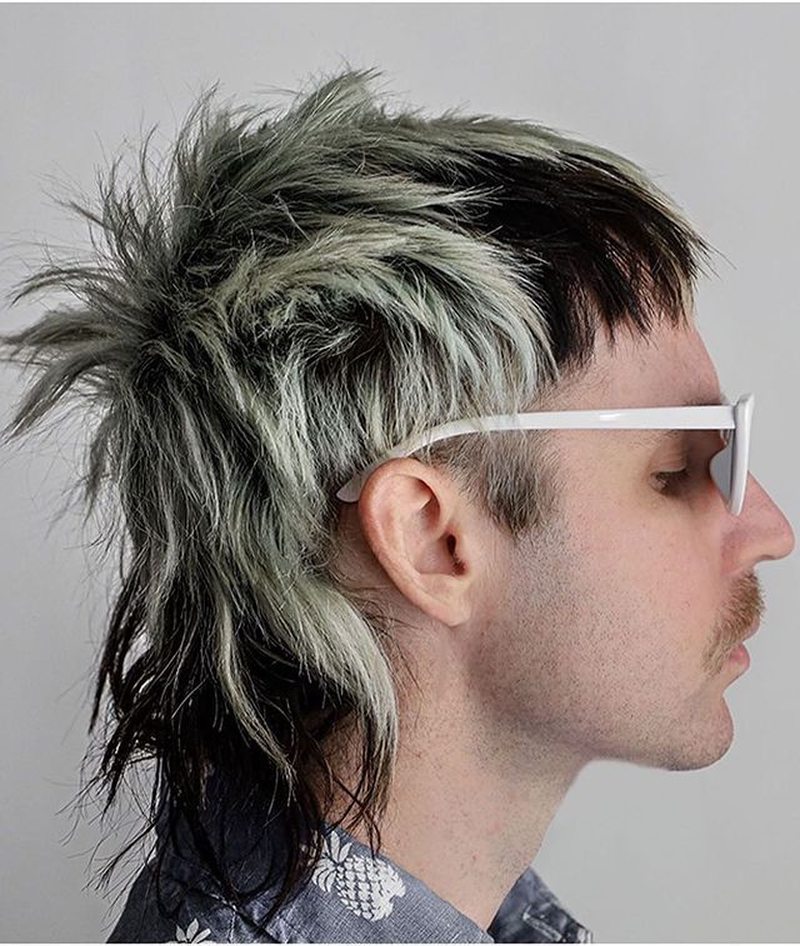
Lightening hair opens the cuticle, which naturally adds grip and volume. The bleached fluffy mullet uses this to its advantage, creating a cloud-like texture that holds all day. Dark roots add a grown-out dimension.
Best for: Oval and oblong faces with medium to thick hair of any texture.
What to tell your stylist: Ask for layered point-cutting through the crown and back for a fluffy silhouette. Request a full bleach or balayage with a root shadow for dimension. The back should be razor-cut for wispy movement.
11. Fluffy Mullet for Thick
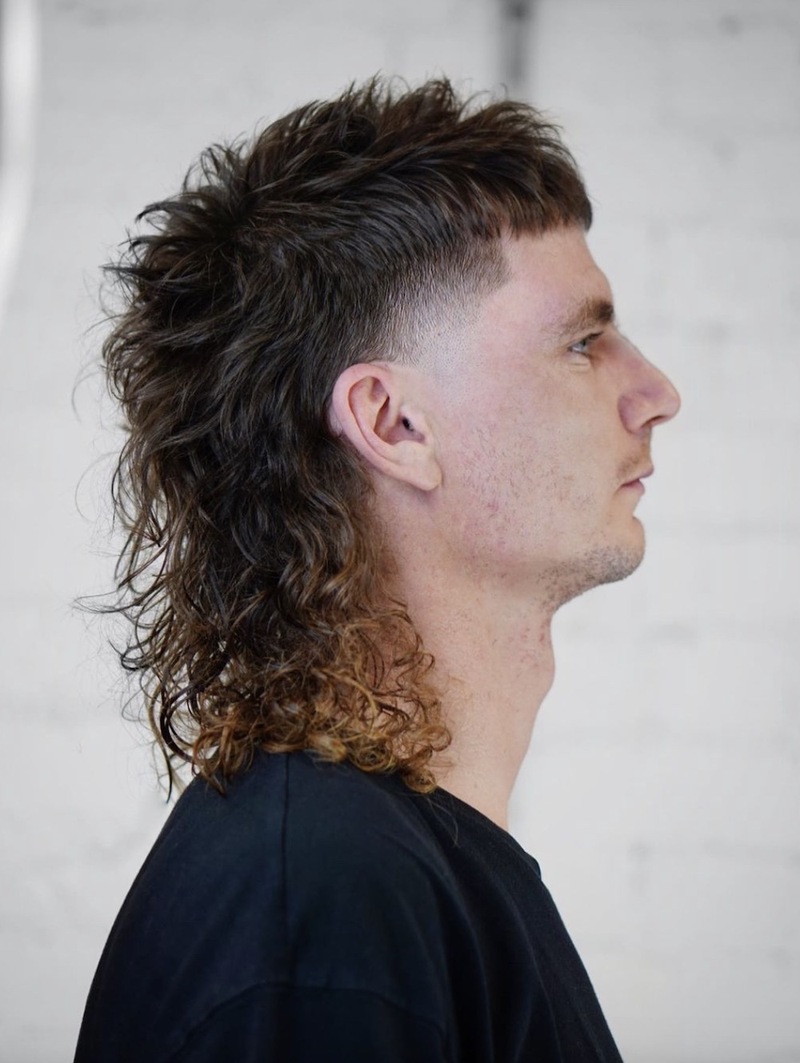
Thick hair naturally supports the fluffy shape, but it needs careful de-bulking to avoid a triangular silhouette. Strategic layering removes weight where needed while preserving volume where it counts.
Best for: Oval, square, and rectangle faces with thick or coarse hair.
What to tell your stylist: Request deep layering through the back to remove excess bulk. Point-cut the crown for controlled lift. Ask for thinning only at the ends, never at the roots, to maintain the fluffy shape without the weight.
12. Fluffy Mullet for Straight Hair
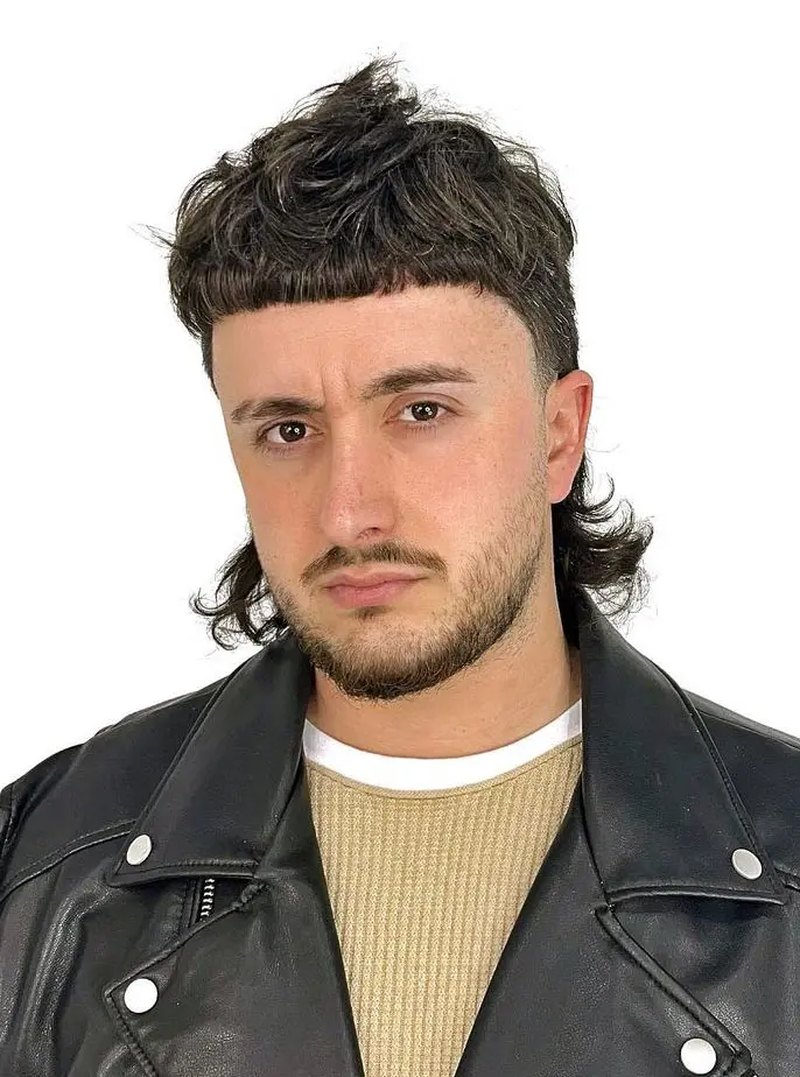
Straight hair can achieve the fluffy mullet. The key is using the right cutting technique to create texture that straight strands do not produce alone. Razor cutting and point-cutting build the movement this style demands.
Best for: Oval, rectangle, and diamond faces with straight or fine hair.
What to tell your stylist: Ask for razor-cut layers throughout to create piecey texture. Request a volumizing layer pattern, shorter at the crown with gradual length toward the back. Suggest a soft taper on the sides to keep the look modern.
How to Ask Your Stylist for a Fluffy Mullet
Walking into a salon and saying “give me a mullet” is a fast track to disappointment. The word alone can produce very different results depending on your stylist’s training.
Instead, bring at least two to three reference photos from the styles above. Visuals eliminate ambiguity. Point out specific elements you want: layer placement, back length, and side treatment.
Clearly tell your stylist you want a heavily layered, voluminous mullet with soft edges. Specify that you want to avoid the harsh, blocky traditional mullet with a shelf-like transition from short to long.
Professional stylist Martin Nepton advises clients to “decide how long you want the back before sitting in the chair. The length of the back completely changes the character of the cut.”
If your stylist seems hesitant, ask whether they have experience with wolf cuts or shag haircuts. These styles share the same layering principles and signal that your stylist understands the techniques needed for a fluffy finish.
Styling Tips: How to Keep the Fluff
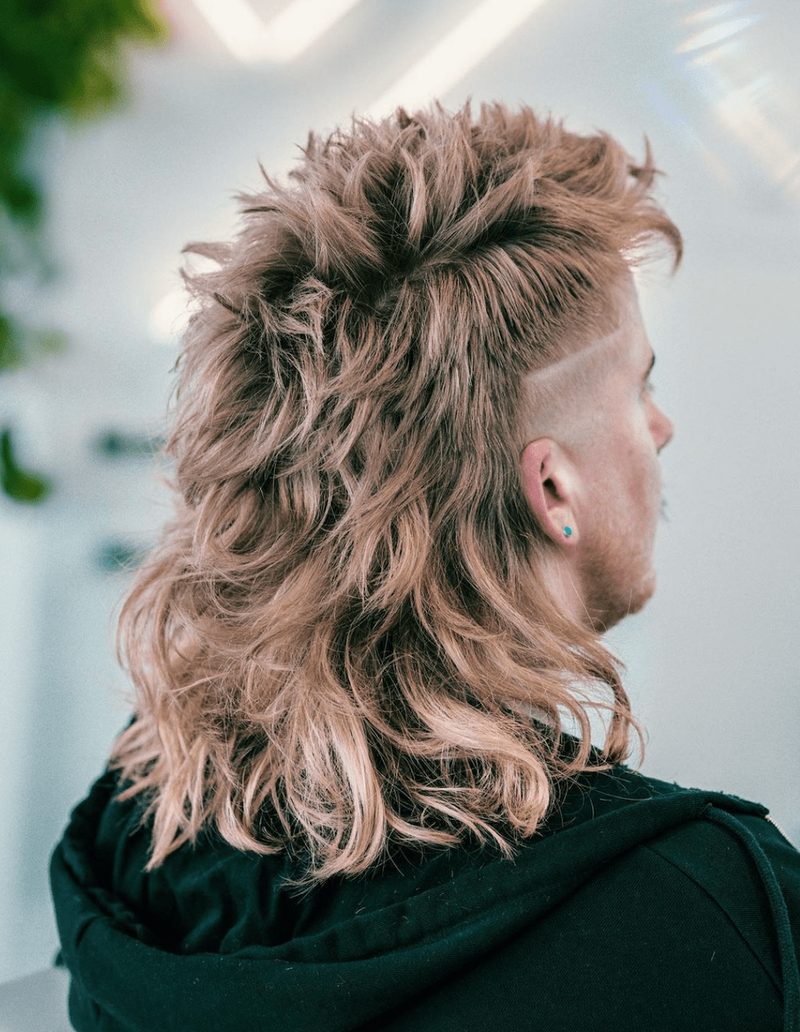
Side view of a man with wavy, light brown fluffy mullet hairstyle featuring shaved sides and textured, voluminous top and back.
A great fluffy mullet can fall flat without the right at-home routine. The fluff comes from three things: product, drying method, and finish. Master all three and the style holds all day.
Prep: Apply volumizing mousse or sea salt spray to damp hair at the roots. Sea salt spray adds grip and texture that mimics a day at the beach. Work it through the crown and mid-lengths, skipping the ends.
Dry: Use a diffuser on medium heat for wavy or curly hair. This preserves the natural pattern while building lift at the roots. For straight hair, flip your head upside down and blow-dry the roots for 30 seconds to create instant volume.
Finish: Apply texturizing powder or matte pomade to dry hair. Sprinkle powder at the roots and massage for lift. Use a small amount of matte pomade on the ends to define piecey layers. Avoid heavy gels, which flatten the fluffy texture.
A light mist of flexible hold spray locks the shape without freezing the movement. The goal is hair that moves naturally but holds its structure all day.
Frequently Asked Questions (FAQs)
How long does hair need to be for a mullet?
You need at least three inches at the nape for a basic mullet. For a fluffy mullet with visible layering, four to six inches through the back gives the stylist enough to create movement and texture. Shorter versions exist but need more frequent trims.
Are fluffy mullets hard to maintain?
Fluffy mullets require moderate maintenance. Expect a trim every four to six weeks to keep layers defined. Daily styling takes about five minutes with the right products. The style is lower maintenance than a sleek look because messy texture is part of the appeal.
Can straight hair get a fluffy mullet?
Yes. Straight hair achieves the fluffy mullet through razor cutting and point-cutting that build texture into the hair. Volumizing mousse, sea salt spray, and texturizing powder provide the at-home lift that straight strands do not produce alone.
