
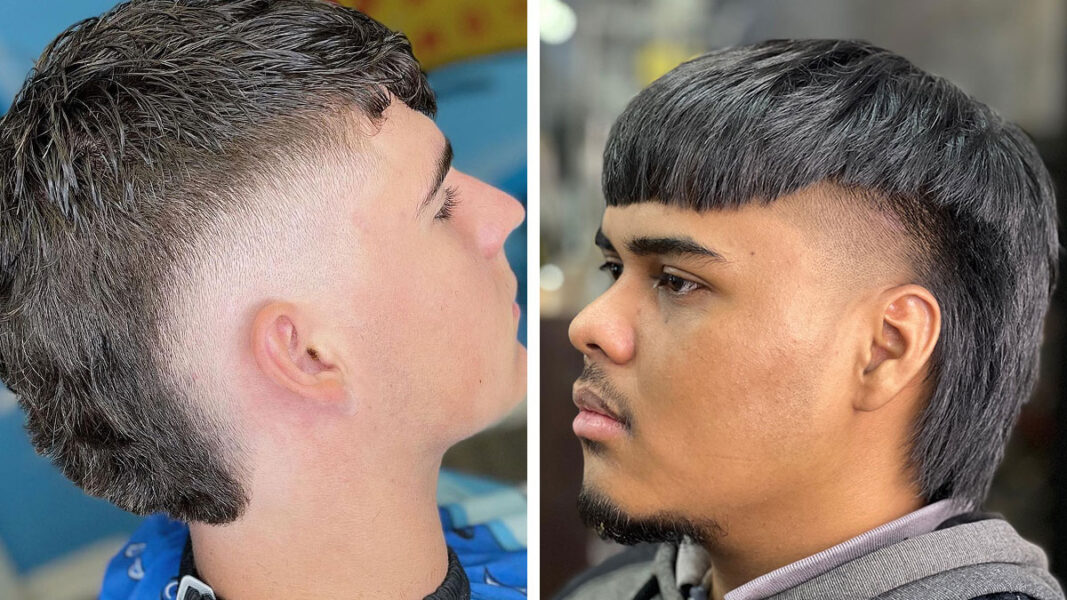
What happens when you blend the sharpest fringe in barbering with the rebellious flow of a mullet? You get the Edgar mullet, the hybrid haircut dominating TikTok feeds and barber chairs across the country. This style fuses the blunt, lined-up front of an Edgar cut with the extended nape length that defines a classic mullet, creating a look impossible to ignore.
Whether you want inspiration, need the exact words for your barber, or are looking for a daily styling routine, this guide covers all three. Explore ten variations, learn the technical breakdown, and pick up the products that make the difference between a head-turning style and a flat mess.
What Exactly Is an Edgar Mullet?
An Edgar Mullet is a bold hybrid haircut that combines the sharp, blunt fringe of an Edgar cut with the long, flowing locks of a traditional mullet.
The sides are typically faded or tapered, creating a visual disconnect between the structured front and free-flowing back. According to Wikipedia, the Edgar cut originated in US border states like Texas, Arizona, and California, and is closely tied to the Takuache subculture among Mexican-American youth. The mullet portion draws from the broader resurgence of modern mullets in mainstream fashion.
On TikTok, the hashtag #EdgarMullet has accumulated millions of views, with barbers and wearers posting transformations, tutorials, and styling tips. The style appeals to Gen Z who want something that stands out without an overly complicated routine.
10 Edgar Mullet Variations Dominating TikTok
1. Classic Edgar Mullet
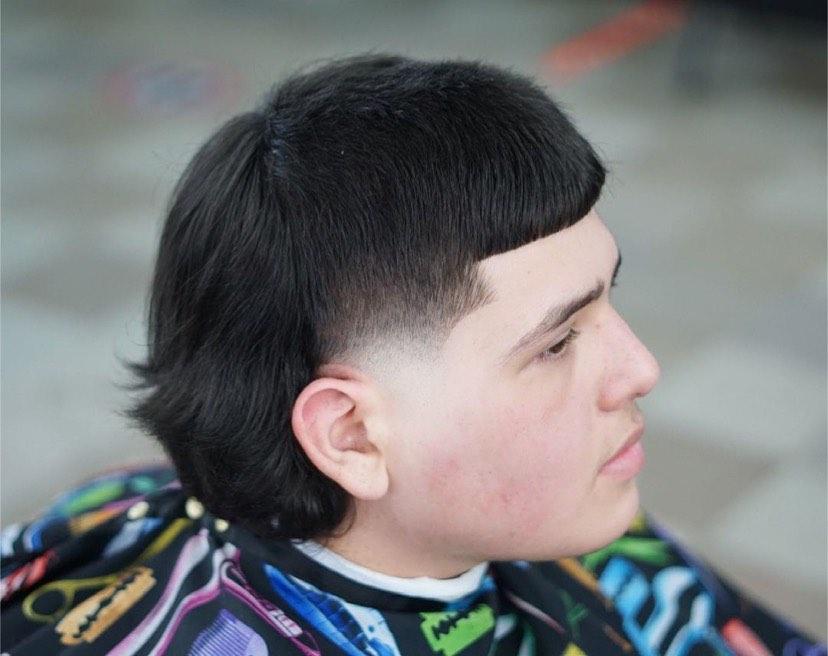
The baseline version that started the trend. A straight, blunt fringe across the forehead. A textured, choppy top pushed forward. Clean taper fade on the sides. A moderate-length tail reaching just past the hairline. It works on straight to slightly wavy hair and requires minimal styling beyond powder and a quick blow-dry.
2. Fluffy Edgar Mullet
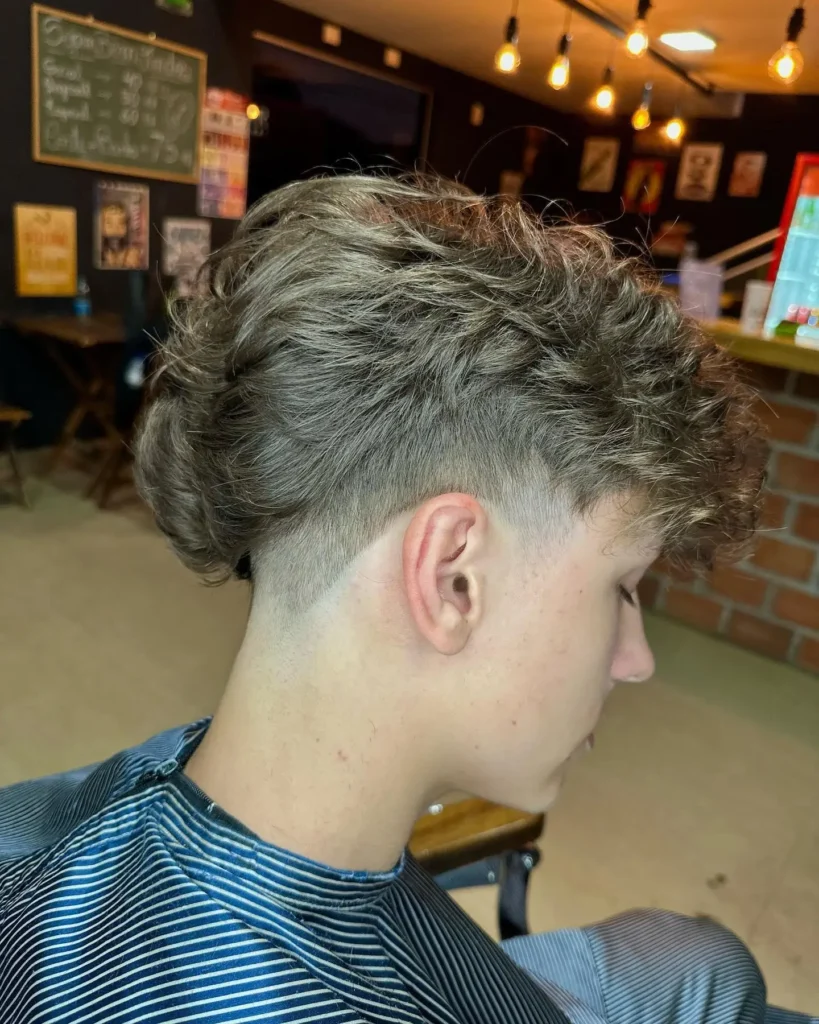
Replaces the choppy top with soft, airy volume. The fringe stays blunt, but the crown is left longer and loosely textured so it lifts naturally. Sea salt spray is the key product, scrunch-dried to build cloud-like fullness. This version surged on TikTok with #FluffyEdgar generating massive engagement. Suits thicker hair types best.
3. Burst Fade Edgar Mullet
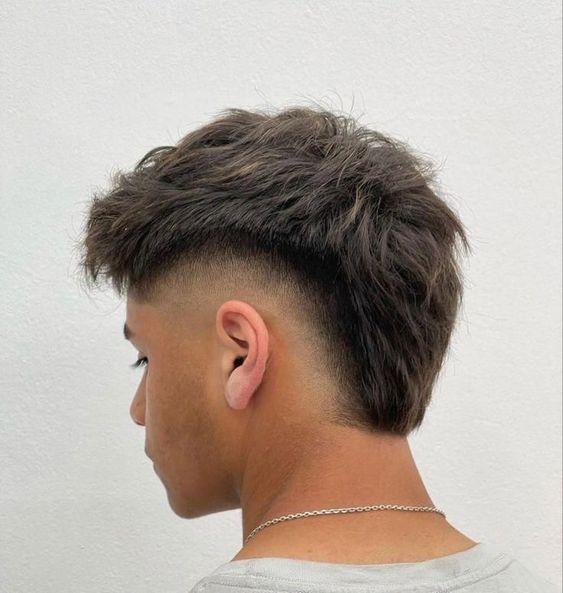
A burst fade wraps around the ear in a semicircle, dropping low behind it to keep the back heavy and connected to the mullet tail. This creates a dramatic frame that makes both the blunt front and long back pop. Barbers frequently showcase this variation because the burst fade adds a technical element that draws views. Pairs well with all hair textures.
4. Curly Edgar Mullet
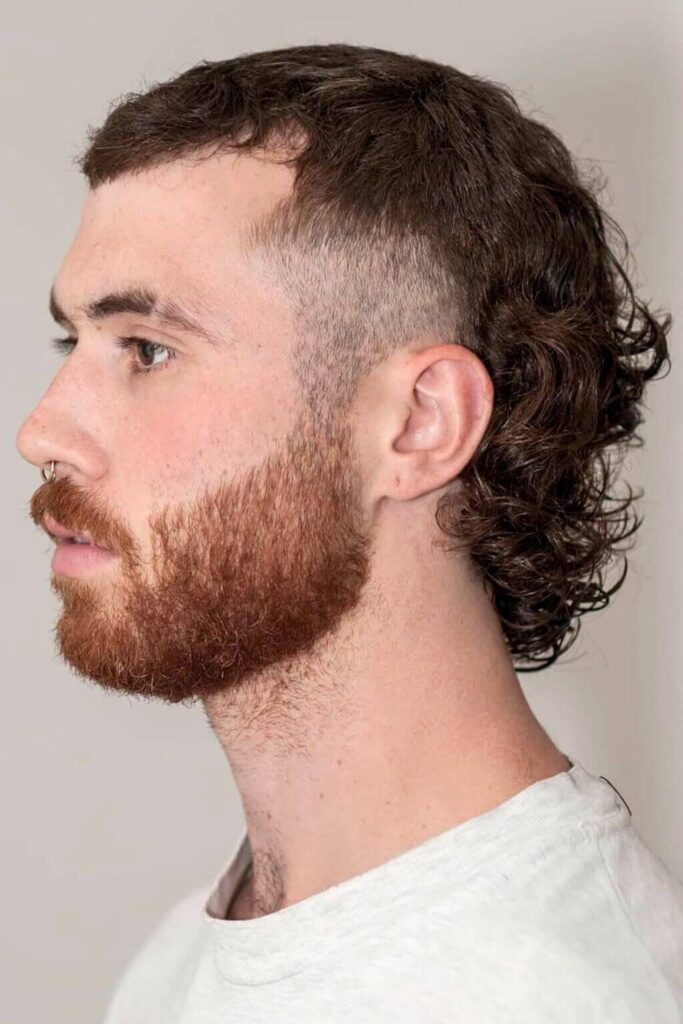
For curly or coily hair, this variation lets curls form on top while the fringe stays lined up straight across. The back length curls freely, creating contrast between the disciplined front and wild back. Barbers use texturizing shears to remove bulk so curls do not mushroom outward.
5. Wavy Edgar Mullet
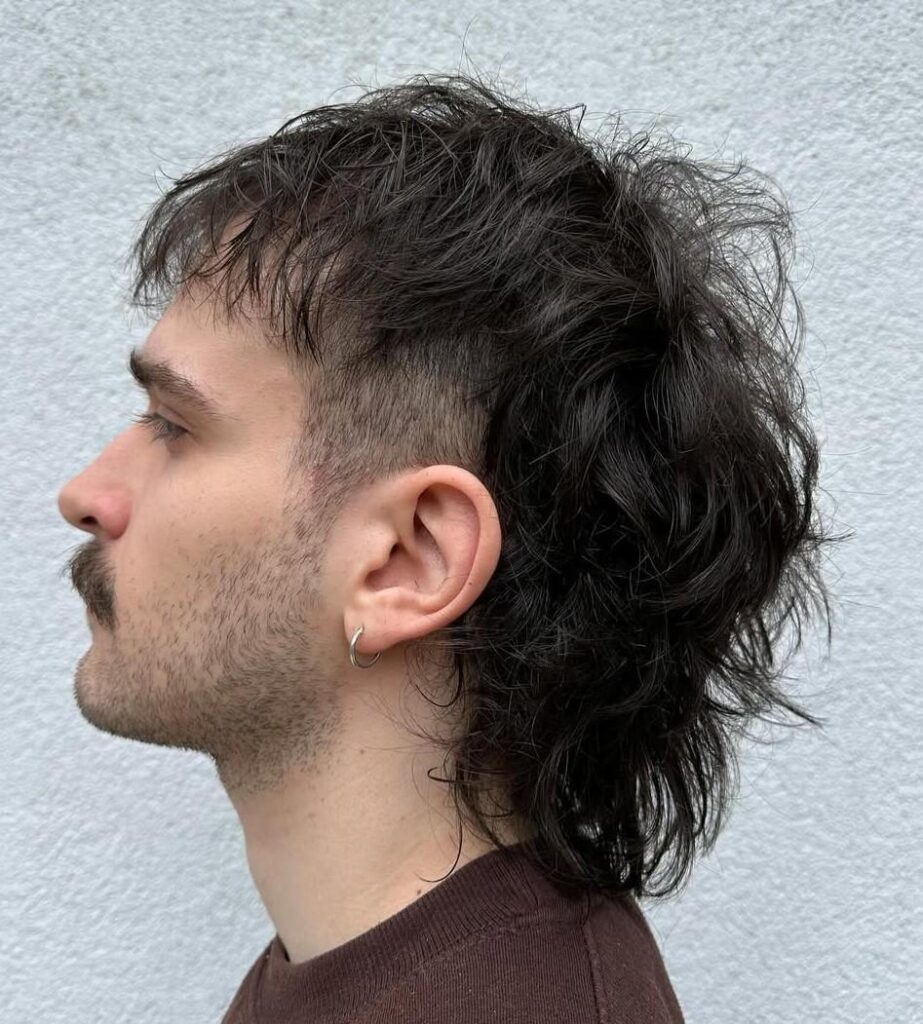
This variation leans into natural wave texture. The top is cut with enough length for waves to form, while the fringe is kept slightly longer so it can be styled straight or allowed a gentle wave. The back tail develops loose waves through scrunch-drying with sea salt spray. One of the most low-maintenance variations.
6. High Taper Edgar Mullet
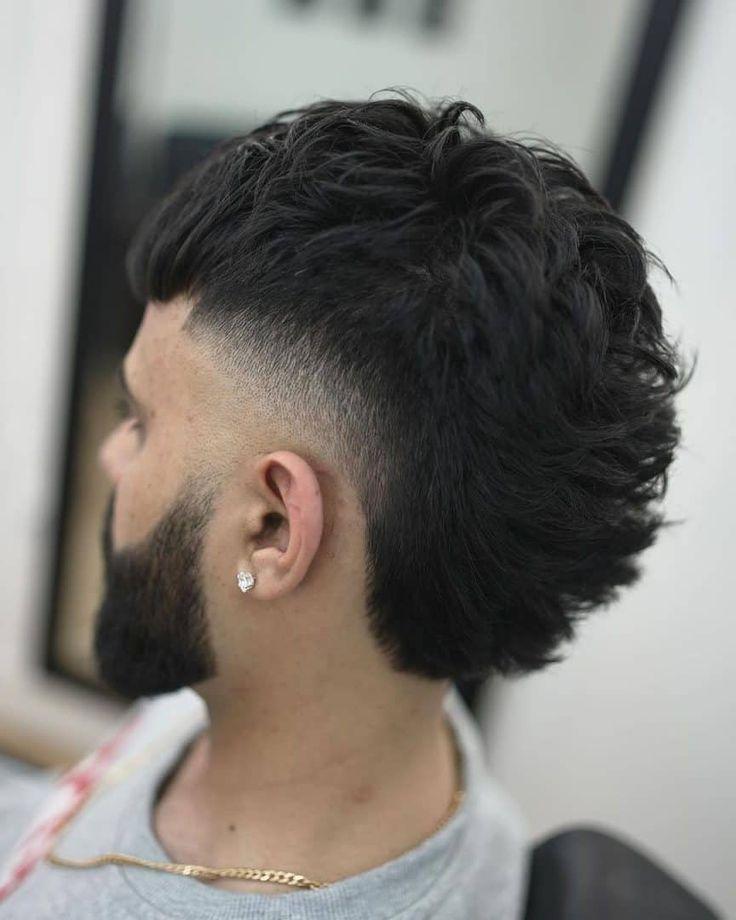
A high taper fade takes the sides down tight, creating maximum contrast. The blunt fringe and textured top appear even more prominent, while the mullet tail stands out clearly against the faded sides. Ideal for men who want a clean, sharp look without going full skin fade.
7. Low Burst Fade Edgar Mullet
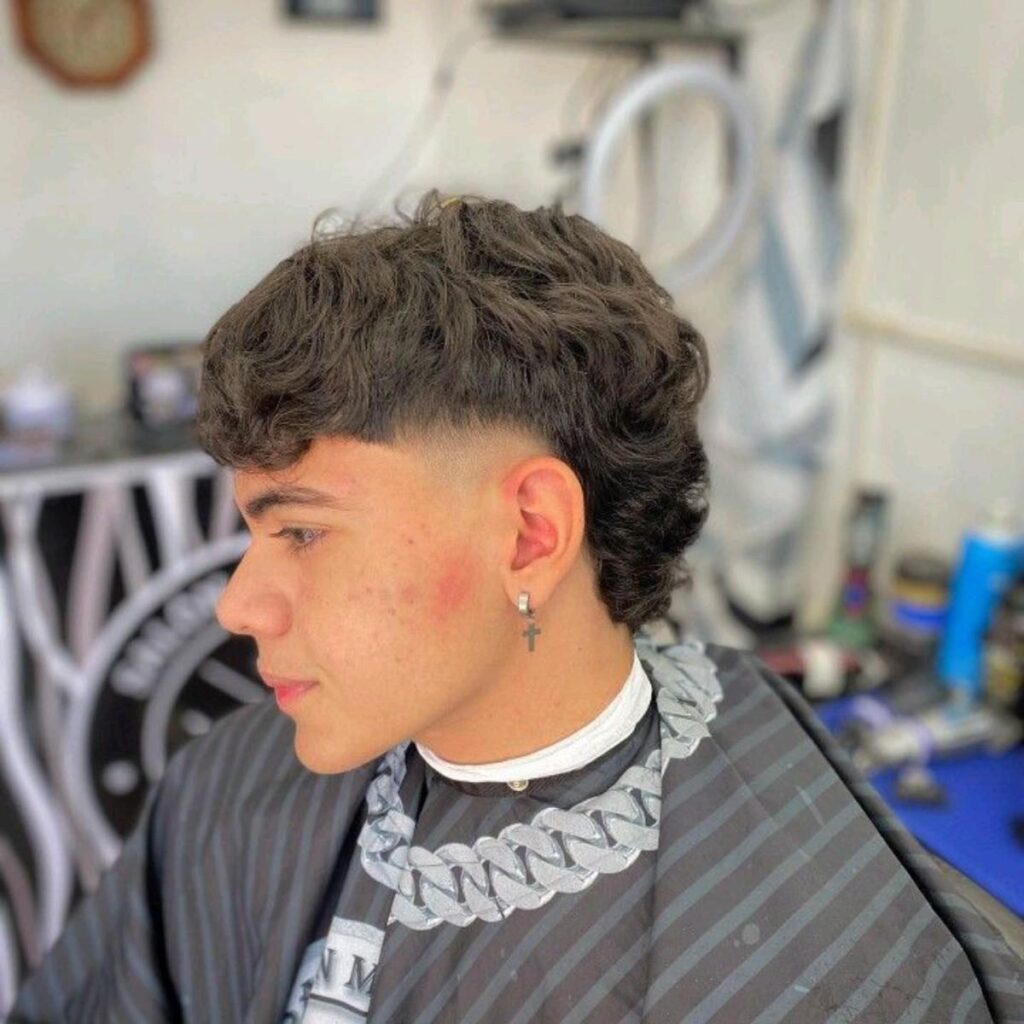
A low burst fade keeps more hair above the ears, fading only in a small semicircle around the ear. This creates a subtler disconnect for those who want the silhouette without an aggressive fade. The back tail blends more naturally into the sides, giving a softer shape more forgiving between visits.
8. Short Edgar Mullet
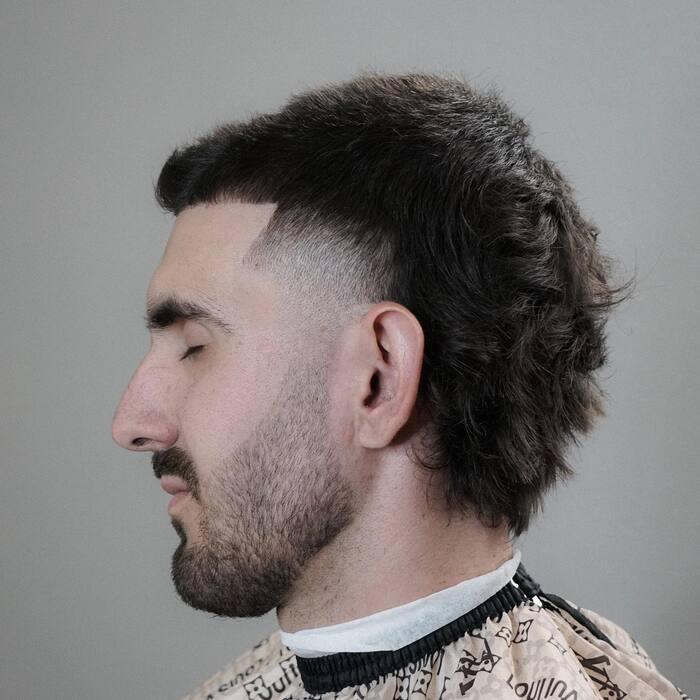
Not everyone wants a long tail. This version keeps the back length just an inch or two below the fade line, giving a hint of mullet shape without full commitment. The front remains a classic blunt Edgar fringe. Works well for professional settings.
9. Textured Fringe Edgar Mullet
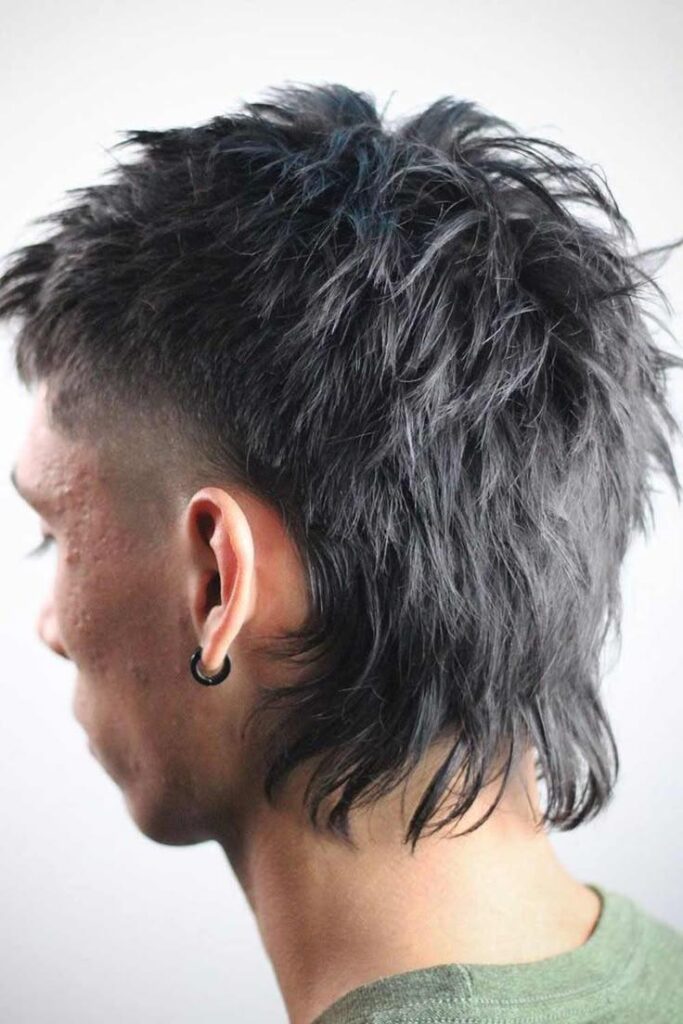
Instead of the typical flat fringe, this variation adds heavy texture to the front. The fringe is still lined up, but point-cutting creates a choppy, piecey look that adds dimension. Texturizing powder is essential to separate strands into individual chunks. Suits finer hair that needs extra visual weight on top.
10. Skin Fade Edgar Mullet
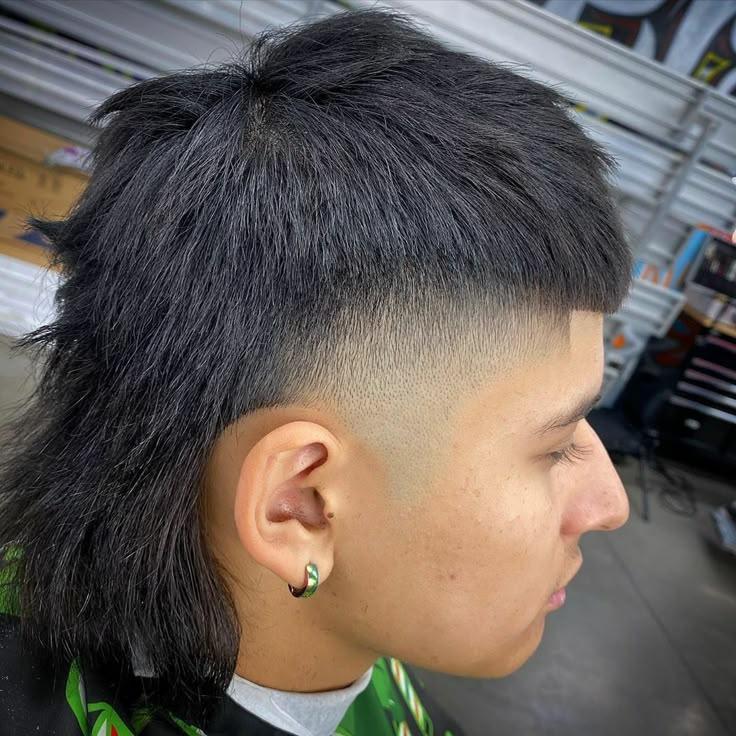
The most aggressive fade takes the sides to bare skin, creating the starkest contrast. The blunt fringe and textured top appear almost floating, and the mullet tail becomes the focal point. Requires the most frequent barber visits, but the visual impact is unmatched. It photographs extremely well, which is why it performs so strongly on TikTok.
How to Ask Your Barber for an Edgar Mullet
Getting this cut right comes down to clear communication. Simply saying “Edgar mullet” can lead to different results depending on the barber. Here is exactly how to break it down.
Bring Visual References
Photos are non-negotiable. Bring two to three images showing the exact style from front, side, and back angles. The term can mean different lengths and fade styles to different barbers, so visuals eliminate guesswork.
Specify the Front
Ask for a classic Edgar front: a textured, slightly messy top pushed forward into a blunt, lined-up fringe across the forehead. Specify whether you want the fringe sitting at the brow line or slightly above. The lining should be sharp and horizontal.
Specify the Sides
Choose your fade: mid taper, high taper, burst fade, or skin fade. Explain that you want the fade to disconnect the front from the back. For a burst fade, clarify that it should drop low behind the ear to keep the back heavy and connected to the tail.
Specify the Back
Instruct the barber to leave the length at the nape. Specify how far down you want the tail to fall. Ask them to trim split ends and add light layers for movement, but preserve the overall length. If you want natural wave in the back, mention that so they point-cut rather than blunt-cut.
How Barbers Execute the Cut
For barbers and stylists, the Edgar mullet requires a specific sequence to get proportions right.
Sectioning
Separate the hair into three zones: the top (fringe and crown), the sides, and the back (mullet). Clean sectioning ensures each area can be worked independently. Use clips to keep sections isolated.
Executing the Fade
Start with the sides. Execute a clean burst fade or taper, dropping low behind the ear to maintain back weight. The fade should transition smoothly from skin at the bottom to a longer length connecting with the top.
Cutting the Fringe
Comb the top hair forward. Use trimmers to create a sharp, blunt, horizontal line across the forehead. The fringe should sit at a consistent height from left to right. This is the signature element, so precision matters.
Texturizing the Top
Point-cut the top heavily with texturizing shears. The Edgar needs a choppy, textured look on top to contrast with the clean fringe. Remove bulk from the crown and mid-shaft, but leave enough length at the roots for volume.
Shaping the Back
Point-cut the longer back hair to remove weight and encourage natural waves. Avoid blunt-cutting the tail straight across, as this creates an unnatural block. Use point-cutting at an angle for a tapered, flowing finish.
Daily Styling Routine
The Edgar mullet requires daily styling. Without it, the textured top falls flat and the fringe loses shape, making the cut look like a bowl. Here is a routine that takes under five minutes.
Step 1: Prep With Sea Salt Spray
Start with damp, towel-dried hair. Apply three to four pumps of sea salt spray evenly through the top and back. It adds volume, grip, and natural texture without the crunch of heavier products.
Step 2: Blow-Dry Forward and Down
Blow-dry the top hair forward toward the forehead while scrunching and separating strands with your fingers. This builds root volume and trains the hair to sit forward. For the back, blow-dry downward for a straight finish, or scrunch while drying for wavy texture.
Step 3: Apply Texturizing Powder
Once dry, generously apply texturizing powder to the roots on top. Shake it onto the crown and fringe area, then work it in with your fingers. The powder creates separation, matte texture, and the signature choppy look. This is the single most important product for this cut.
Step 4: Secure the Fringe With Matte Clay
Finish with a small amount of matte styling clay on the fringe. Press it flat across the forehead to hold it in place. Avoid gels or shiny products, as they clash with the matte aesthetic. The clay keeps the fringe sharp all day without stiffness.
Essential Products
- Texturizing powder: Creates volume, separation, and matte finish. Apply to dry hair at the roots. The most important product for this cut.
- Sea salt spray: Pre-styler for damp hair. Adds volume, grip, and encourages natural wave in the back.
- Matte styling clay: A small amount on the fringe holds it in place without shine or stiffness.
- Blow dryer: Essential for directing the top forward and adding root volume. Air-drying will not produce the same shape.
Maintenance: How Often Should You Trim?
The fade grows out quickly, losing contrast within two weeks. The blunt fringe needs relining every two to three weeks. The back tail can go longer, roughly four to six weeks, since length is the goal.
Most barbers recommend a maintenance schedule of every two to three weeks. To stretch it, ask your barber to leave the sides slightly longer so the fade grows out more gracefully. Between visits, keep the fringe tidy with a small comb and a touch of clay.
Frequently Asked Questions
What face shape suits the Edgar mullet best?
The Edgar mullet works best on oval, rectangular, and diamond face shapes. The blunt fringe adds width to the forehead, balancing longer faces. Round faces can wear it too, but should opt for a higher fade to add vertical length.
Can you get an Edgar mullet with thin hair?
Yes, with adjustments. Ask for the textured fringe variation, which uses point-cutting to create the illusion of thickness. Avoid the fluffy variation, which requires dense hair. Use texturizing powder generously for grip and separation.
How long does the back need to be?
At minimum, the back should extend one to two inches below the fade line to be recognizable as a mullet. For the full effect, aim for length reaching the bottom of the neck. It typically takes three to four months of growth from a short cut.
Is the Edgar mullet high-maintenance?
It requires moderate maintenance. Daily styling takes about five minutes. Barber visits are needed every two to three weeks. Compared to other trending styles, it sits in the middle of the maintenance scale.
What is the difference between an Edgar cut and an Edgar mullet?
The Edgar cut features a blunt fringe, textured top, and faded sides with a short back. The Edgar mullet adds extended length at the nape, creating the signature tail. Every Edgar mullet has an Edgar front, but not every Edgar cut has a mullet back.
Can women wear the Edgar mullet?
Absolutely. The style is gender-neutral. Women typically adjust the fringe slightly softer or add more back length for a dramatic mullet effect. The same products and styling principles apply.
