
When it comes to trendy hairstyles, confusion often arises—especially between haircuts like the taper fade and the mullet. Both are popular, stylish, and distinctly bold, yet they have significant differences. So, is a taper fade a mullet, or are they entirely separate hairstyles? Let’s clear up the confusion and dive deeper into understanding each style.
Understanding the Taper Fade Haircut
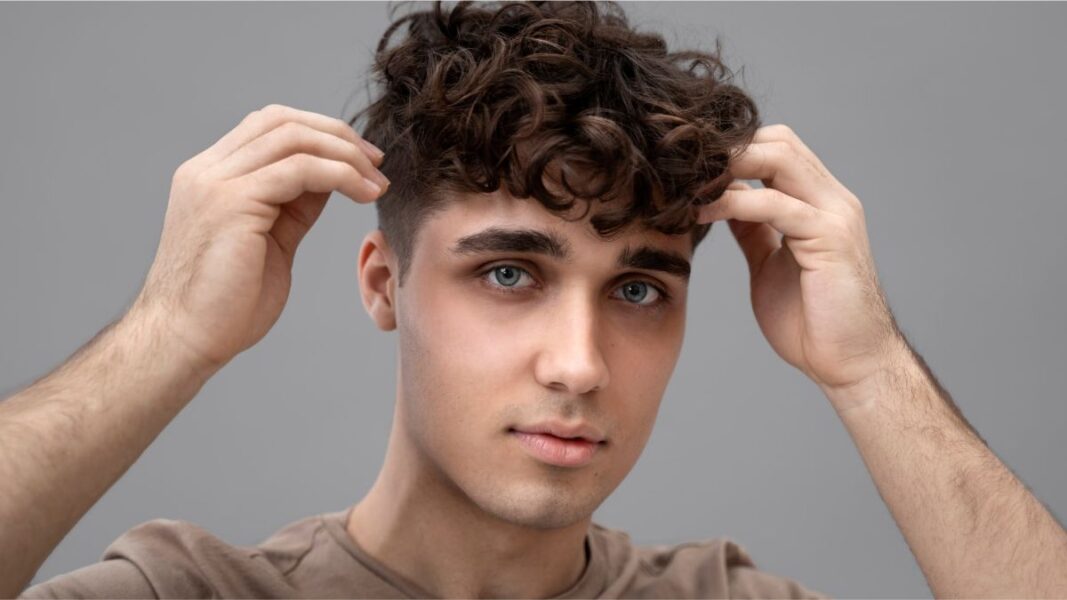
A taper fade haircut involves gradually shortening the hair length from the top to the bottom, creating a subtle transition from thick to closely cropped hair around the neck and sides. This haircut is versatile, neat, and works with various hair types and face shapes. Many variations exist, each giving the wearer a different look.
For example, taper fade variations such as low, mid, and high fades provide different degrees of dramatic effect. A low taper fade maintains length slightly above the ears, while a high taper fade crops hair higher on the head, revealing more skin.
Notably, this style has gained popularity due to its clean look, ease of maintenance, and ability to pair nicely with almost any hair length on top—from curls to sleek, straight strands.
Breaking Down the Modern Mullet Styles
Now, let’s shift gears and explore modern mullet styles. Originally popularized in the 1970s and 1980s, the mullet made an impressive comeback, blending vintage nostalgia with contemporary trends. Traditionally defined by the phrase “business in the front, party in the back,” a mullet typically features short, neatly cut hair on top and sides, with significantly longer strands flowing down the back.
Today’s mullet is far more diverse than its predecessor. Influenced by celebrities and influencers, mullet hairstyle trends now range from edgy and dramatic to subtle and sophisticated. A particularly popular modern twist is the mullet fade haircut, which incorporates elements from fade hairstyles into the traditional mullet.
Is a Taper Fade a Mullet?
The primary question remains: “Is a taper fade a mullet?” Simply put, no. A taper fade is fundamentally different from a mullet, though both styles can sometimes overlap, creating hybrid looks.
The taper fade is characterized by gradual length changes that create a smooth, blended transition on the sides and back. It’s refined, clean-cut, and versatile, suitable for both formal and casual settings.
In contrast, the mullet distinctly separates short hair in front and sides from noticeably longer hair in the back. Its appeal lies in this deliberate juxtaposition. While the classic mullet has sharp distinctions in length, contemporary trends sometimes blur these lines, introducing smoother transitions—yet still preserving the defining difference in lengths.
Comparing Taper Fade vs. Mullet: Key Differences
When comparing the taper fade vs. mullet, consider these distinct features:
Length Distribution
-
Taper Fade: Hair gradually shortens from top to bottom, with no abrupt breaks in length. The sides blend seamlessly into the longer hair at the crown.
-
Mullet: Distinctly divided lengths—short or medium on top and sides, longer at the back, often abruptly.
Maintenance and Styling
-
Taper Fade: Typically easy to style and maintain, needing regular barber visits to maintain the fade. It’s professional and tidy, popular among professionals and fashion-forward individuals.
-
Mullet: Can be more demanding regarding styling, particularly to emphasize the texture and definition in the back. It’s typically bolder, making it a statement hairstyle.
Popularity and Trends
-
Taper Fade: Consistently popular across different age groups, especially favored by those seeking classic, stylish simplicity.
-
Mullet: Has fluctuating popularity, often linked to fashion cycles and celebrity influence, reflecting more adventurous, expressive styling choices.
Combining Taper Fade and Mullet: The Hybrid Style
Hairstylists love creativity, and sometimes combining distinct elements can create exciting results. Recently, a popular hairstyle trend involves combining taper fade and mullet into what’s known as a “mullet fade.” This hybrid haircut integrates the smooth fading characteristics of a taper with the distinctive length differentiation of a mullet.
In a mullet fade, the sides and temples feature a clean taper fade, gradually transitioning into noticeably longer lengths towards the back. The result is stylish, polished, and modern—perfect for those who want to express individuality while still enjoying a clean-cut appearance.
This hairstyle has become increasingly popular, frequently seen on celebrities like Zac Efron and professional athletes who effortlessly blend a modern taper fade with the rebellious charm of a mullet.
Expert Opinions on Haircut Terminology
According to Michael C., a professional hairstylist at Mane Attraction Salon, “People often confuse haircuts because terminology can overlap. However, each style has distinctive features. A taper fade focuses on smooth transitions and neatness, while a mullet deliberately contrasts lengths for impact.”
He further notes, “Understanding these nuances helps clients communicate clearly with their barbers. A mullet fade might blend these styles, but individually, they’re distinct.”
The Importance of Proper Terminology
Understanding haircut terminology helps ensure you get exactly the style you’re envisioning when you visit the barber. Miscommunication often occurs because terms can seem interchangeable to those unfamiliar with specific details. Clearly differentiating between a taper fade and mullet can save you from unexpected results.
When discussing styles with your barber, bringing visual references or clearly stating terms like “taper fade,” “mullet,” or “mullet fade” helps immensely. Professional barbers often suggest using precise terms or even visual aids to clarify your ideal hairstyle.
Trends and Preferences in Fade Haircut Styles
Fade haircut styles remain incredibly versatile. Whether low, medium, or high, the fade concept generally denotes neatly blending shorter hair to longer hair. However, preferences fluctuate depending on current trends and personal styles.
Interestingly, search trends reveal that while mullets were initially considered outdated, they now experience periodic resurgences—usually tied to celebrity endorsements and viral moments. Meanwhile, taper fades maintain steady popularity due to their timeless versatility and adaptability across various professional and casual environments.
Personal Experience with Mullet and Taper Fade Styles
I’ve personally experimented with both hairstyles. A taper fade offered ease and confidence for everyday professional settings, blending style with subtlety. Conversely, trying out a modern mullet brought boldness and individuality, instantly drawing attention and conversation.
Deciding between these styles largely depends on your personality and lifestyle. If you prefer bold statements and distinctive looks, modern mullets or hybrid mullet fades are excellent choices. But if you lean toward subtle sophistication, a taper fade remains timeless and suitable for all occasions.
The Takeaway: Which Style Is Right for You?
Choosing between a taper fade and a mullet—or a combination of both—comes down to personal taste, hair type, maintenance preferences, and your desired impact. Here’s a quick recap to help you decide:
-
Choose a taper fade if:
-
You want versatility and ease.
-
You prefer neatness and professionalism.
-
You regularly style your hair conservatively.
-
-
Opt for a mullet or mullet fade if:
-
You’re adventurous with your look.
-
You want something striking and bold.
-
You appreciate vintage styles with modern twists.
-
Ultimately, whether a taper fade or mullet, embracing your chosen style with confidence matters most. Clarifying the differences helps you communicate your needs clearly to your barber, ensuring satisfaction with the final result.
In short, while a taper fade is not a mullet, both haircuts offer appealing styles that reflect individual personality, lifestyle, and fashion sense. Choose the one that best represents your vibe, or better yet—consider the creativity of combining elements from both for something uniquely yours.
