
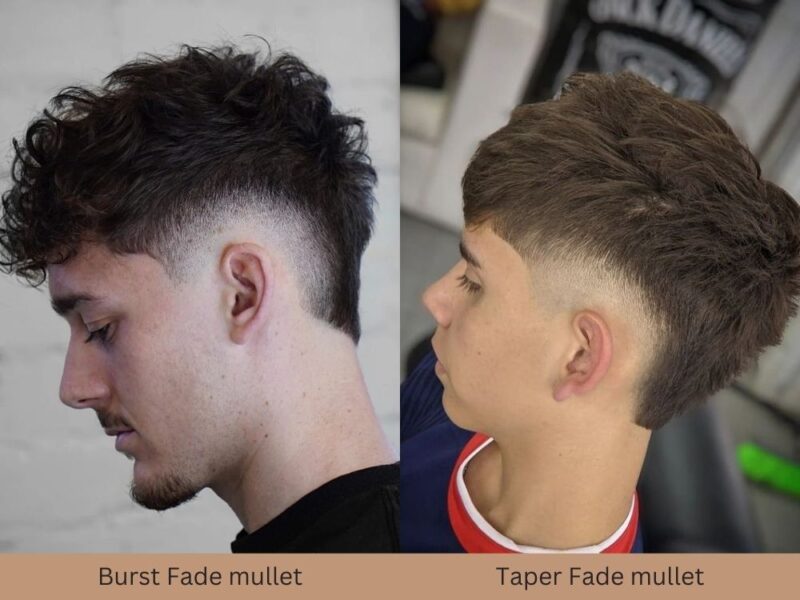
When it comes to modern mullet hairstyles, the burst fade and the taper fade are two popular choices for adding flair and dimension. But how do you decide which fade complements your mullet best? Whether you’re aiming for an edgy, bold statement or a subtle, clean finish, understanding the nuances of these fades will help you achieve the perfect look.
I’m Mia Carter, a licensed cosmetologist from Fuqua St, Texas. With years of experience helping clients rock their best hair, I’m here to break down everything you need to know about burst fades and taper fades — from cutting methods and styling variations to maintenance tips and real-life experiences.
Ready to find your perfect fade? Let’s get into it!
What is a Burst Fade?

A burst fade creates a semi-circular fade around the ear, giving the appearance of a “burst” effect. The fade blends seamlessly into the longer hair on top and at the back, enhancing the volume and shape of the mullet.
According to Nick Hall from Man of Many, the burst fade haircut stands out due to its unique semi-circle-shaped fade arc, which tapers the hairline behind the ear while leaving the hair at the back longer. This technique results in a burst effect at the neck that follows the curve of the ears, offering a versatile and complimentary style adaptable to the client’s head shape.
Personal Experience with a Burst Fade
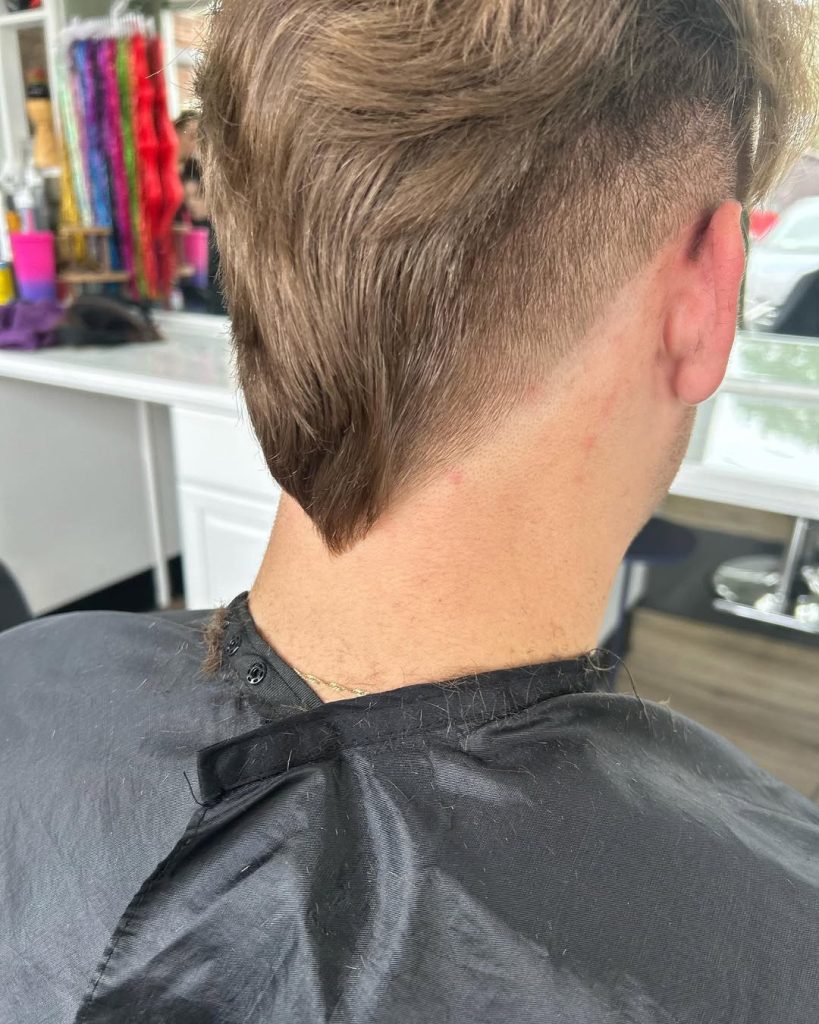
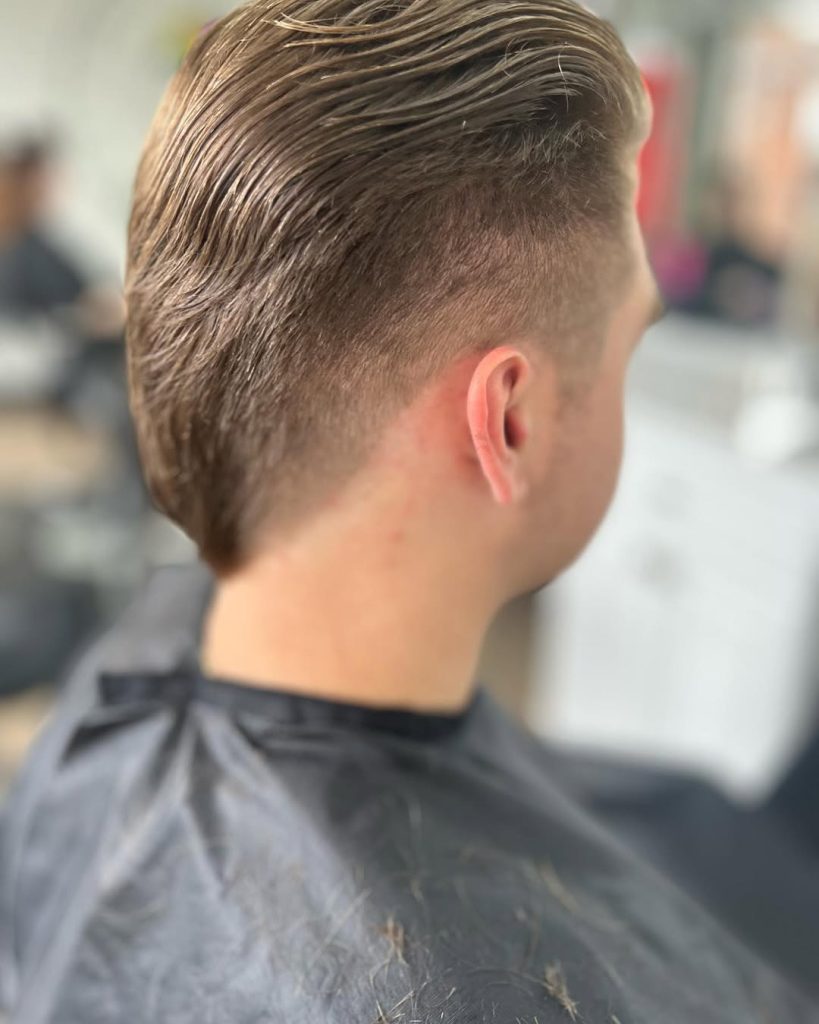
One of my clients, Chris, walked into the salon with thick, curly hair and a dream of trying something bold. He’d always admired edgy hairstyles but felt unsure about making a drastic change. After chatting about his style and preferences, we decided on a burst fade mullet. The result? His curls popped like never before, and the burst fade added that clean, modern touch. Chris looked in the mirror and said, “I feel like a rockstar!” Moments like that are why I love what I do.
Technical Breakdown: How to Achieve a Burst Fade
- Sectioning: Divide the hair around the ears in a curved pattern.
- Fading Technique:
- Use clippers with guards starting at #1 or #2 to fade the hair gradually.
- Follow the natural curve around the ear, keeping the fade higher up on the sides.
- Blending: Blend the fade into the longer hair on top and the back, ensuring there are no harsh lines.
Best for Hair Types:
- Curly or Wavy Hair: The rounded shape works beautifully with natural curls.
- Thick Hair: Helps manage volume around the ears while keeping the mullet’s body full.
Styling Variations:
- Curly Burst Fade Mullet: Perfect for showing off natural curls.
- Shaggy Burst Fade Mullet: Add textured layers on top for an effortlessly cool vibe.
- High Burst Fade Mullet: Keep the fade high and sharp for maximum impact.
What is a Taper Fade?

A taper fade gradually shortens the hair at the sideburns and neckline, offering a subtle, clean finish. Unlike the burst fade, the taper doesn’t extend high up the sides, maintaining more length around the ears.
As noted by Mr. Winston’s, a low taper fade begins just above the ears and gradually blends into the longer hair on top. This subtle choice provides a clean look without being overly dramatic, making it perfect for a professional setting.
Client Story: The Subtle Taper Fade Mullet
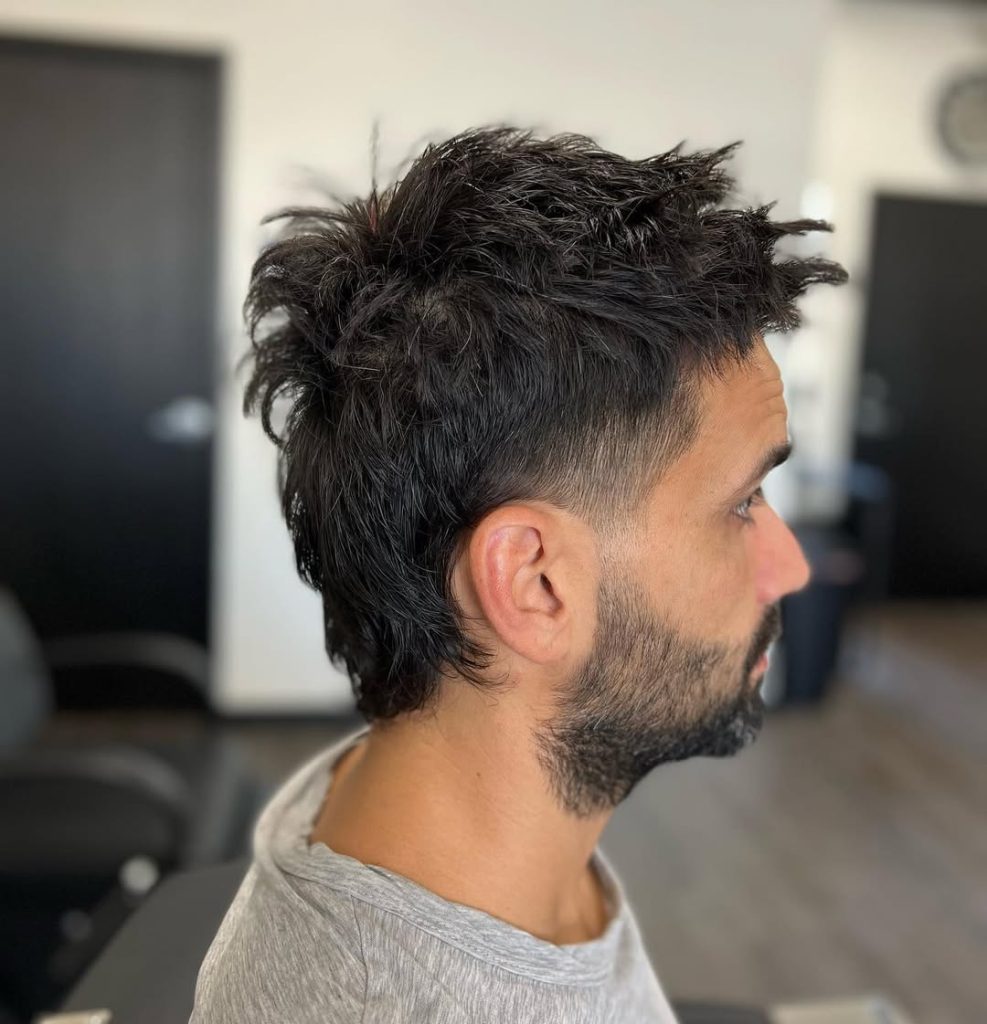
I once worked with Sam, a high school teacher who wanted to keep his mullet professional yet stylish. He wasn’t ready for anything too bold, so we went with a classic taper fade. The subtle fade kept his hair looking neat for work while still allowing him to embrace that fun mullet vibe. Sam’s verdict? “It’s like having the best of both worlds!”
Technical Breakdown: How to Achieve a Taper Fade
- Sectioning: Focus on the hair around the sideburns and nape of the neck.
- Fading Technique:
- Use clippers with guards starting at #2 or #3, fading downward.
- Keep the fade low and gradual.
- Blending: Ensure a seamless transition into the longer hair on top.
Best for Hair Types:
- Straight or Fine Hair: The subtle fade works well without losing volume.
- Low-Maintenance Cuts: Ideal for those who prefer minimal upkeep.
Styling Variations:
- Classic Taper Fade Mullet: A clean, polished look for any occasion.
- Low Taper Fade: Subtle and professional, great for work settings.
- Slicked-Back Taper Fade: Achieve a sleek, refined style with some pomade.
Burst Fade vs. Taper Fade: Which is Right for You?
Let’s break it down:
| Feature | Burst Fade | Taper Fade |
|---|---|---|
| Look | Bold, dramatic, high-contrast | Subtle, clean, low-contrast |
| Best for Hair Types | Curly, wavy, thick | Straight, fine |
| Maintenance | Every 2-3 weeks | Every 4-5 weeks |
| Styling Versatility | Great for edgy, modern styles | Perfect for classic, versatile styles |
| Bulk Control | High control around the ears | Minimal control around the ears |
Products I Love for These Fades
For Burst Fade Mullet
- Reuzel Matte Pomade: Keeps your curls defined with a matte finish.
- Moroccanoil Curl Defining Cream: Perfect for enhancing natural curls.
- Oribe Dry Texturizing Spray: Adds volume and texture for an edgy finish.
For Taper Fade Mullet
- Gatsby Moving Rubber Wax: Offers a flexible hold without weighing hair down.
- American Crew Firm Hold Gel: For a sleek, polished look.
- Paul Mitchell Tea Tree Shampoo: Keeps your scalp clean and fresh.
FAQ: Your Top Fade Questions Answered
1. Can I Switch Between a Burst Fade and a Taper Fade?
Yes, you can! If you currently have a burst fade and want to switch to a taper fade (or vice versa), your barber can gradually adjust the fade pattern during your next few trims. Just be prepared to allow some hair growth for flexibility in reshaping the fade.
2. Which Fade is Easier to Maintain?
- Taper Fade: Easier to maintain, requiring touch-ups every 4-5 weeks.
- Burst Fade: Higher maintenance, needing a trim every 2-3 weeks to stay sharp.
3. Will a Burst Fade Work with Fine Hair?
A burst fade typically suits thicker or curlier hair better. If you have fine hair, a taper fade might be a more flattering option since it preserves more length around the sides.
4. Can I Add Designs to a Burst Fade?
Absolutely! The burst fade is a popular choice for incorporating hair designs or hard parts. Ask your barber to add a design for an extra bold touch.
5. Which Fade Works Best for a Professional Setting?
The taper fade offers a cleaner, more subtle look, making it ideal for professional or formal environments. The burst fade leans more toward casual and creative settings.
Final Thoughts
Whether you go for the bold burst fade or the classic taper fade, the key is to choose what makes you feel confident and authentic. Hair is one of the best ways to express yourself, so don’t be afraid to experiment!
I’d love to hear about your mullet journey — are you team burst fade or team taper fade? Let me know in the comments or reach out for personalized advice!
